 EN
EN
What are you looking for?
As rooftop solar installations continue to expand across residential and commercial buildings, one persistent challenge remains overlooked by many system owners: bird and pest intrusion. Birds, especially pigeons and sparrows, are naturally drawn to the warm, sheltered space beneath solar panels. Over time, nesting, droppings, and debris can seriously impact system performance and roof integrity.
Among all pest-control solutions available today, bird netting on solar panels has emerged as one of the most reliable and long-term strategies. This article breaks down why bird netting is essential, how it works, and how to implement it correctly for maximum protection and ROI.
Bird activity around solar panels is more than just a nuisance—it’s a real operational risk. The gap between panels and the roof creates a perfect nesting environment, protected from predators and weather.
Common problems caused by birds include:
Electrical damage from pecking or nesting materials contacting wiring
Reduced energy efficiency due to shading and airflow blockage
Corrosive bird droppings that degrade panel frames and roof materials
Fire hazards created by dry nesting materials near electrical components
Without preventative measures, bird infestations can lead to costly repairs, system downtime, and even warranty disputes. That’s why proactive protection is critical—and bird netting is one of the most effective defenses available.
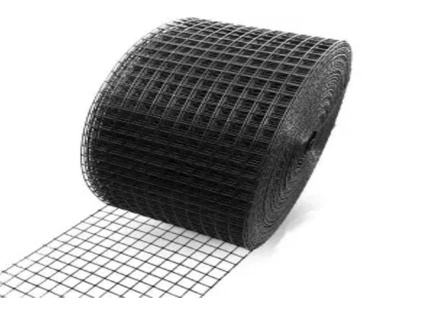
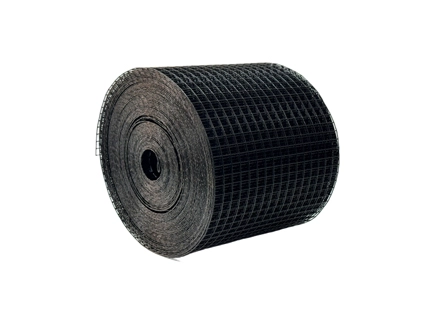
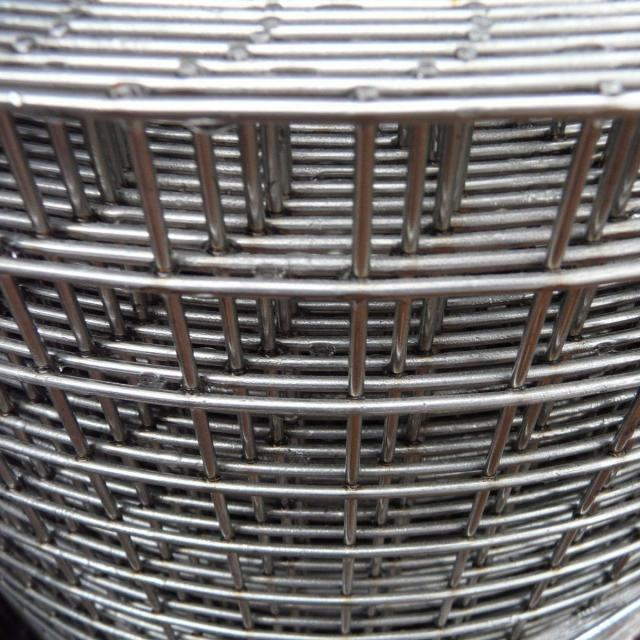
The bird net for solar panels is a physical exclusion system designed to block access to the underside of solar arrays while maintaining airflow and system aesthetics.
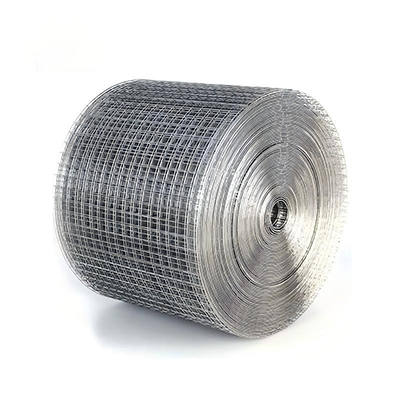
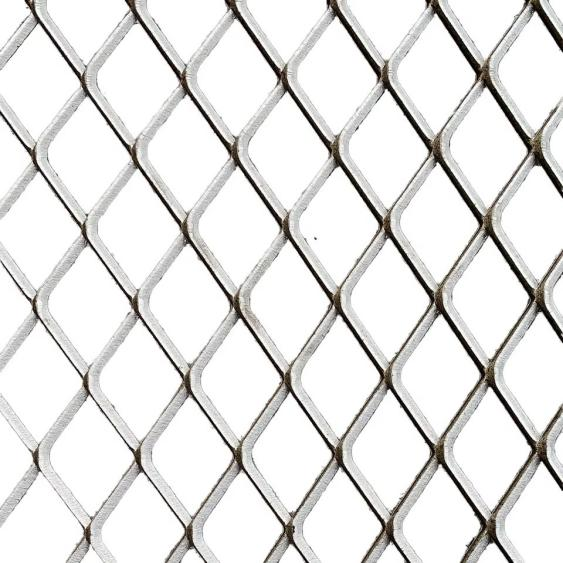
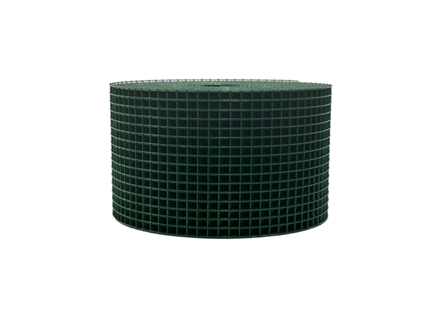
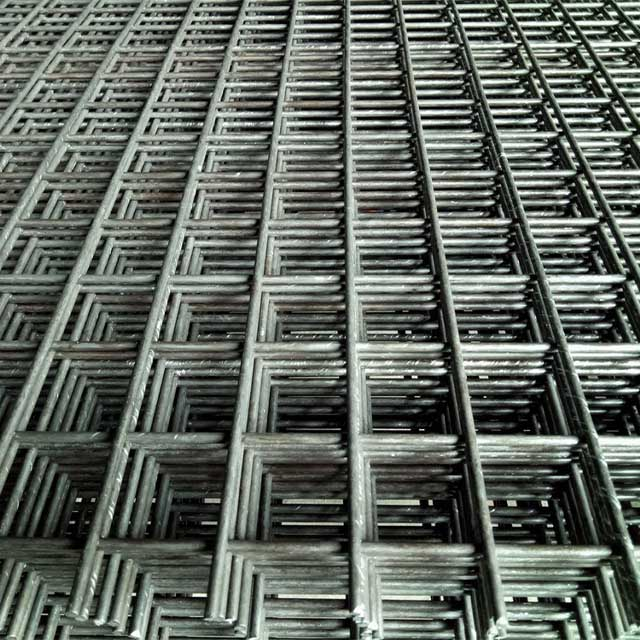
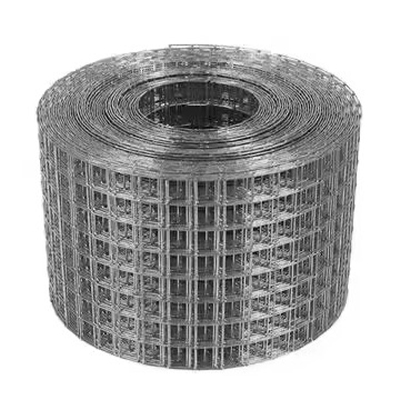
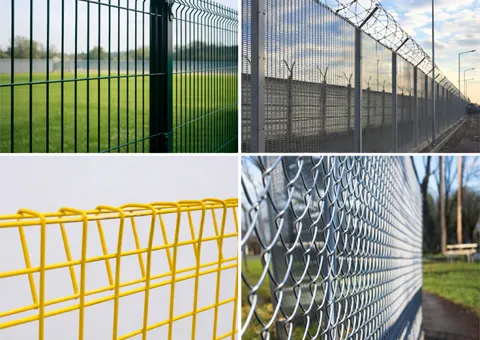
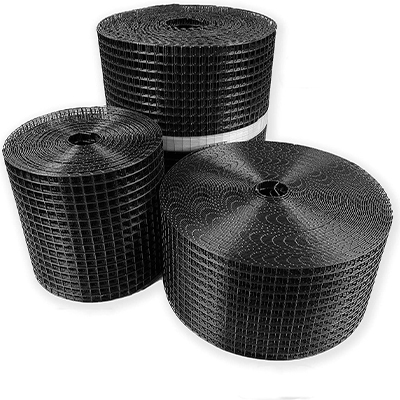
Made from galvanized or PVC-coated steel mesh
Installed along the perimeter of the solar array
Small aperture size to prevent entry by birds and rodents
Corrosion-resistant for long-term outdoor use
Unlike visual deterrents or sound devices, bird netting physically prevents nesting, making it a permanent and maintenance-friendly solution. When properly installed, it remains virtually invisible from ground level and does not interfere with solar performance.
Proper installation is just as important as the netting material itself. Poorly installed netting can loosen over time, leave gaps, or complicate future maintenance.
Attaching netting to the solar racking system, not directly to panels
Using stainless steel clips or hog rings instead of plastic zip ties
Ensuring continuous coverage with no gaps at corners or edges
Allowing sufficient clearance for panel airflow and drainage
Professional installers often prefer rail-mounted systems, as they allow easier panel servicing without removing the entire netting structure. When installed during the initial solar setup, bird netting adds minimal cost while delivering long-term protection.
While bird netting is highly effective, it’s worth comparing it with other common pest-control options.
| Method | Effectiveness | Longevity | Maintenance |
|---|---|---|---|
| Bird spikes | Moderate | Medium | Medium |
| Ultrasonic deterrents | Low–Moderate | Short | High |
| Visual deterrents | Low | Short | High |
| Bird netting on solar panels | High | Long-term | Low |
Bird spikes may reduce landing but do not prevent nesting underneath panels, while ultrasonic devices often lose effectiveness as birds adapt over time. In contrast, bird netting—especially when sourced from a reliable welded wire mesh manufacturer—provides complete physical exclusion, making it the preferred long-term solution for both residential and commercial solar systems.
One of the biggest advantages of bird netting on solar panels is its low maintenance requirement. However, periodic inspections are still recommended to ensure continued effectiveness.
Best practices include:
Annual visual inspections for loose fasteners or damage
Cleaning debris buildup along netting edges
Checking roof penetrations and vents for secondary entry points
When maintained properly, bird netting can last 10–20 years, protecting not only your solar investment but also your roof structure. Over time, it significantly reduces service calls, cleaning costs, and unexpected system failures.
Solar panels are designed to operate efficiently for decades—but only if external risks are controlled. Birds are one of the most common yet underestimated threats to rooftop solar systems. YangZhe Metal wire mesh fencing factory offers various solution to protect your solar panels.
Installing bird netting on solar panels is a proven, cost-effective, and long-lasting solution that safeguards performance, safety, and return on investment. Whether you’re a homeowner, solar installer, or commercial property manager, integrating bird netting into your solar strategy is no longer optional—it’s essential.