 EN
EN
Punched Mesh
Perforated wire mesh is extremely versatile and can be used in a variety of applications such as railing infill, railing infill, acoustics and soundproofing, security screens, blinds and ventilation a...
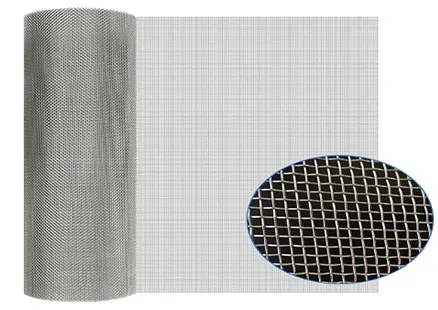
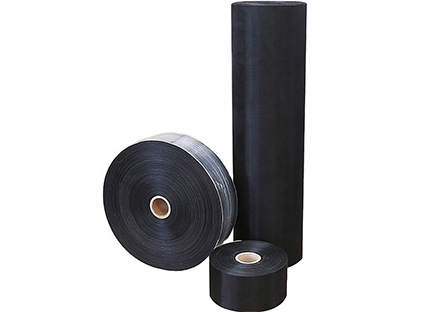
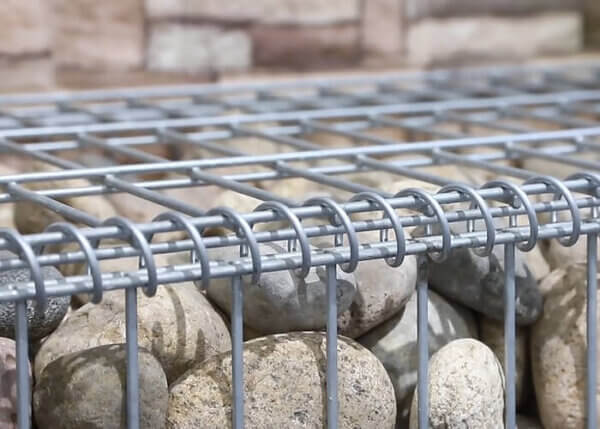
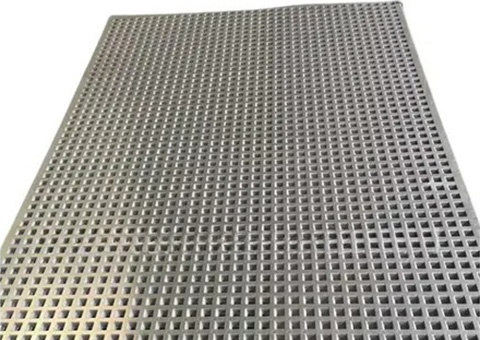
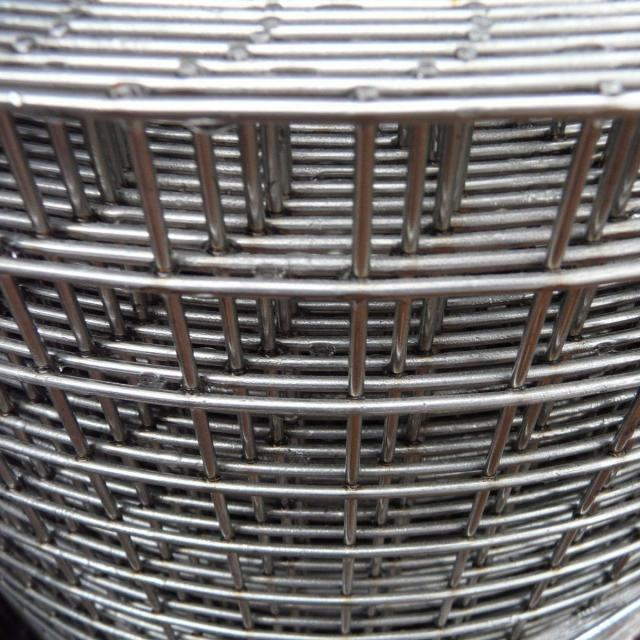
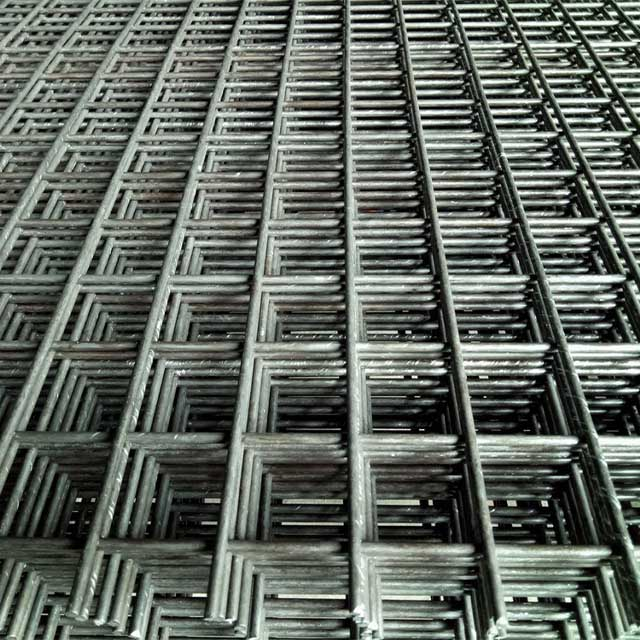
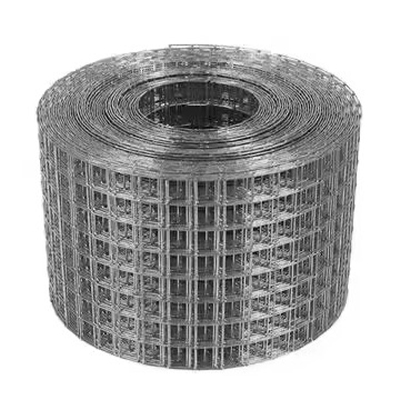
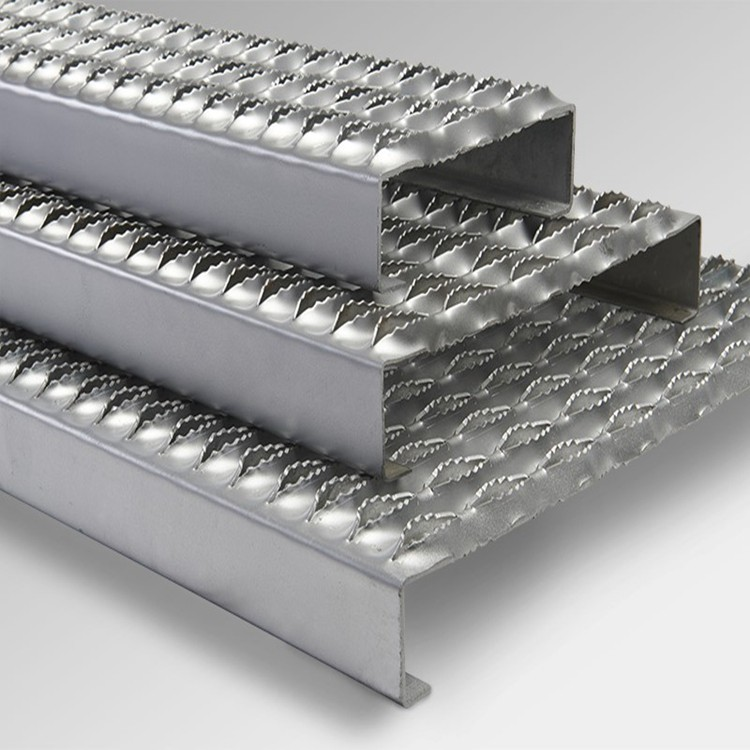
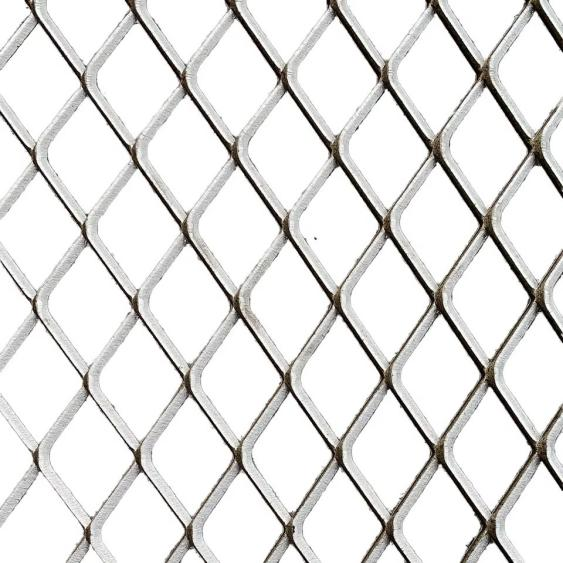
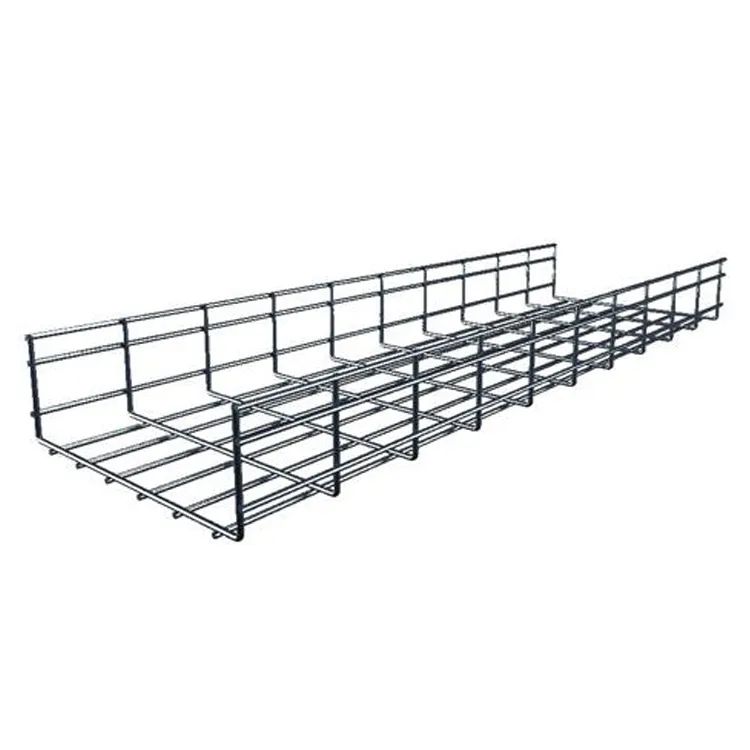
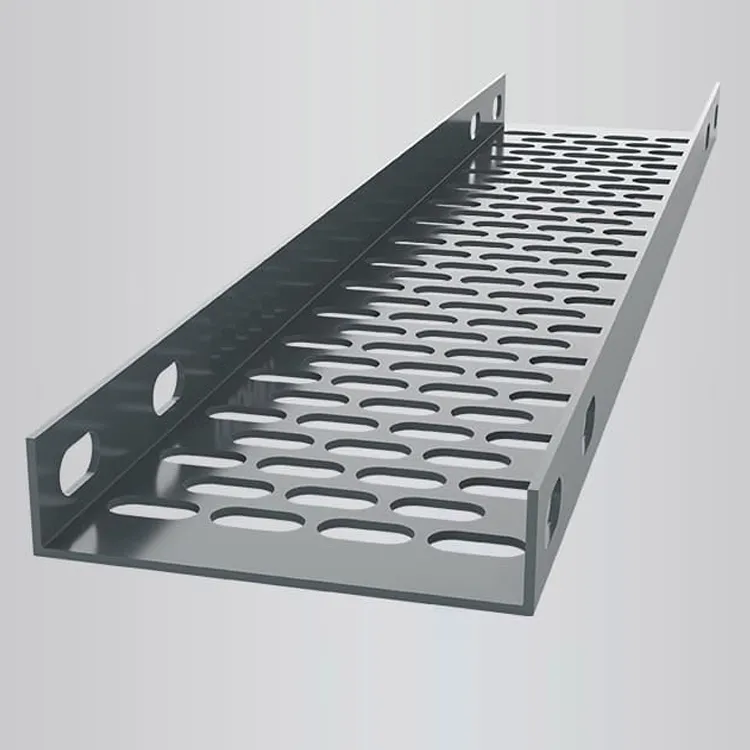
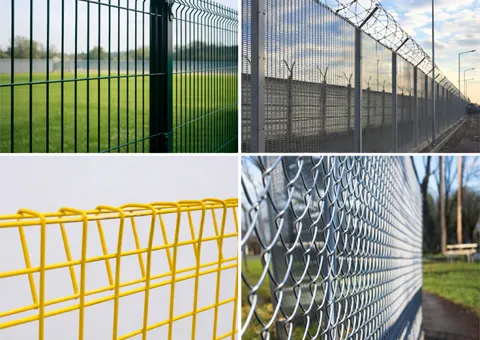
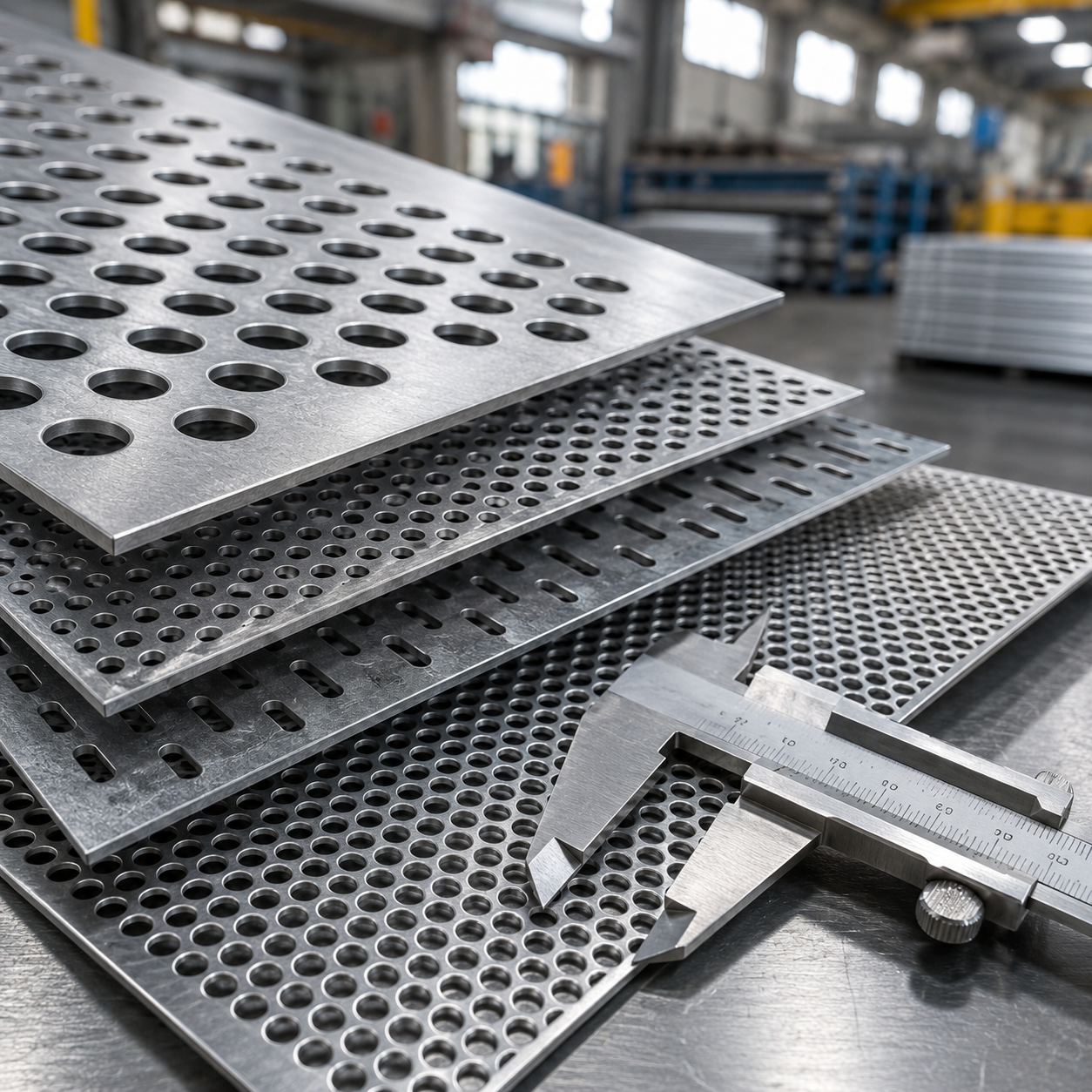
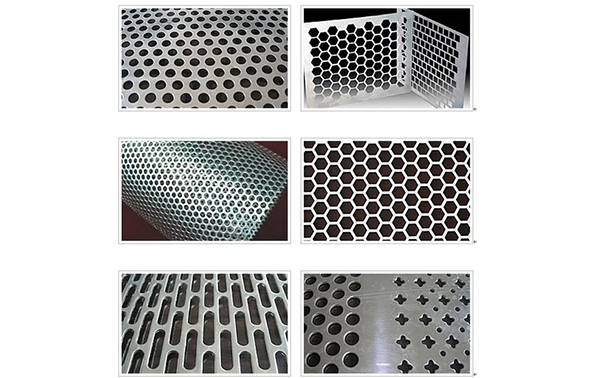
Perforated metal, also known as perforated sheet, perforated plate, or perforated screen, is produced by punching or laser-cutting holes into metal sheets. Our custom perforated metal products are available with round, square, slotted, hexagonal, and other patterns for filtration, ventilation, screening, protection, and architectural applications.
Available materials include cold-rolled steel, galvanized steel, aluminum, brass, copper, titanium, and stainless steel perforated sheet. Material grade, sheet thickness, hole size, open area, and surface finish can be selected according to the required strength, corrosion resistance, airflow, and appearance.
The price of perforated metal panels is mainly affected by the material, thickness, hole pattern, sheet dimensions, fabrication requirements, and order quantity. As a professional perforated metal supplier, Yangzhe provides custom fabrication, competitive quotations, and export support for construction, architecture, filtration, and industrial projects.
| Specification | Available Options | Why It Matters |
| Material | Carbon steel, galvanized steel, stainless steel, aluminum and other confirmed materials | Affects strength, weight, corrosion resistance and cost |
| Sheet Thickness | Customized according to material and application | Determines rigidity, weight and fabrication feasibility |
| Hole Shape | Round, square, slotted, hexagonal or custom patterns | Affects airflow, filtration, appearance and strength |
| Hole Size | Produced according to drawings or application requirements | Determines particle passage, visibility and ventilation |
| Hole Arrangement | Straight, staggered or custom layout | Influences open area and visual effect |
| Open Area | Customized according to airflow, light or filtration needs | Affects ventilation, weight and structural performance |
| Sheet or Panel Size | Standard or cut-to-size sheets and panels | Supports installation and reduces secondary processing |
| Solid Margins | With or without unperforated borders | Helps with framing, fastening and panel installation |
| Surface Finish | Mill finish, galvanized, painted, powder-coated or other confirmed finishes | Improves appearance and corrosion resistance |
| Additional Fabrication | Cutting, bending, forming, welding or edge treatment | Allows delivery of installation-ready parts |
A versatile option for ventilation, filtration, acoustic control, screening and architectural panels. Round holes can be arranged in straight or staggered patterns.
Provides a clean, linear appearance and is commonly used for machine guards, screens, partitions and decorative applications.
Suitable for directional airflow, drainage, material separation and applications requiring an elongated opening.
Offers a distinctive appearance and can provide a relatively high open area for ventilation, light transmission and decorative use.
Custom hole shapes, spacing, margins and decorative layouts can be manufactured according to drawings and production feasibility.
Perforated metal and expanded metal are both produced from metal sheets, but they differ in manufacturing method, structure, weight, and typical applications.
Perforated metal is manufactured by punching or laser-cutting round, square, slotted, hexagonal, or custom holes into a solid sheet. It retains the original sheet thickness and provides consistent openings, a flat surface, and precise open-area control. These characteristics make custom perforated metal suitable for filtration, ventilation, acoustic control, screening, and decorative applications.
Expanded metal is produced by simultaneously slitting and stretching a metal sheet into a raised or flattened diamond-shaped pattern. Because no material is punched away, it offers a strong, lightweight, and slip-resistant structure commonly used for walkways, stair treads, machine guards, platforms, and security screens.
Choose perforated metal when precise hole patterns, controlled airflow, or a smooth appearance are required. Expanded metal is generally more suitable for load-bearing, anti-slip, and protective applications. Buyers can explore both product categories through our wire mesh wholesale supply range.
Perforated metal panels combine visual flexibility with practical functions, making them suitable for building facades, ceilings, sunshades, partitions, railings, canopies, and decorative screens.
Round, square, slotted, hexagonal, and custom hole patterns allow architects to control transparency, light, airflow, and visual effects. Hole size, spacing, open area, sheet thickness, and panel dimensions can also be customized to meet different design and performance requirements.
Materials such as aluminum, galvanized steel, and stainless steel perforated sheet provide options for different environments. Stainless steel offers strong corrosion resistance, while aluminum is lightweight and suitable for large facade or ceiling installations.
As a professional perforated metal supplier, Yangzhe can manufacture panels according to drawings, required hole patterns, dimensions, finishes, and installation needs for indoor and outdoor architectural projects.
Perforated sheets can be produced from stainless steel, cold-rolled steel, galvanized steel, aluminum, copper, brass, and titanium. Material selection depends on the required strength, weight, corrosion resistance, appearance, and application environment. A stainless steel perforated sheet is commonly selected for outdoor, hygienic, or corrosive conditions.
Common production methods include mechanical punching, CNC punching, laser cutting, and chemical etching. The suitable method depends on the material, sheet thickness, hole size, pattern complexity, required precision, and order quantity.
The minimum hole diameter normally depends on the material type and sheet thickness. Typical hole diameters range from approximately 0.045 inches, or 1.14 mm, to 4 inches, or 100 mm. Please send the material, thickness, and hole pattern for a production feasibility review.
Yes. We can manufacture custom perforated metal with round, square, slotted, hexagonal, geometric, and other hole patterns. CNC punching or laser cutting can also be used for decorative designs and project-specific patterns, subject to drawing and production review.
The price of perforated metal panels is mainly affected by:
Material type and sheet thickness
Hole size, shape, pitch, and pattern complexity
Open-area percentage
Sheet or panel dimensions
Order quantity
Cutting, bending, welding, or other fabrication
Surface treatments such as coating, painting, or anodizing
Send your drawings or specifications to receive an accurate quotation from our perforated metal supplier team.

If you encounter any problems while browsing, please feel free to contact us at any time. We provide you with 7×24 service. In case of emergency, please contact us via email: sales@wiremeshprovider.com