 EN
EN
What are you looking for?
A reliable 358 fence quotation should define the complete fence system, not just panel height and quantity. For importers and project contractors, the RFQ should cover panel dimensions, mesh and wire specification, post section and installation method, coating system, fixing accessories, gates, and any required security topping.
The main purchasing risk is receiving quotations that look comparable but are based on different steel weights, post sections, coating processes, or accessory configurations. A detailed RFQ makes both price and technical performance easier to compare.
The conventional 358 high security fence specification uses approximately:
76.2 × 12.7 mm mesh opening
4.0 mm horizontal wire
4.0 mm vertical wire
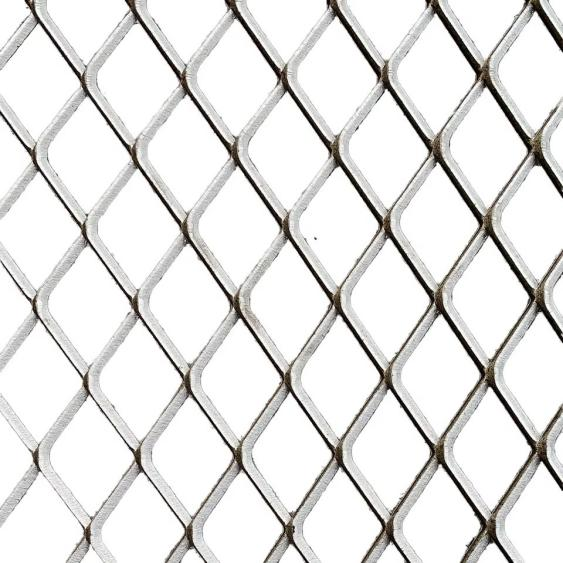
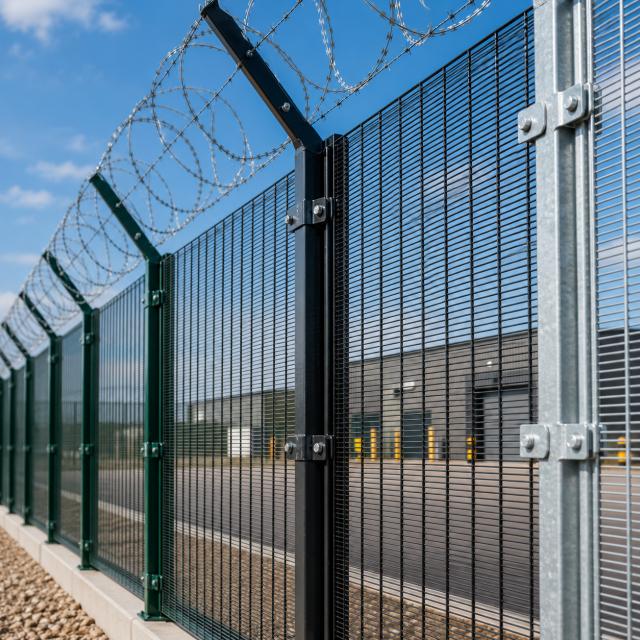
The name comes from the imperial dimensions of approximately 3 × 0.5 inches with 8-gauge wire. The narrow mesh makes it difficult to obtain a useful hand or foothold and also restricts access for many conventional cutting tools.
When requesting quotations, however, do not simply write “358 mesh.” State the actual dimensions in millimeters so there is no ambiguity between suppliers.
Start with the exact panel specification:
| Item | Information to Specify |
|---|---|
| Mesh opening | 76.2 × 12.7 mm or project requirement |
| Wire diameter | Normally 4.0 mm for conventional 358 mesh |
| Panel width | Required finished width |
| Panel height | Required finished height |
| Panel type | Flat welded mesh panel |
| Material | Low-carbon steel or specified alternative |
| Finish | Galvanized, galvanized + powder coated, or project-specific system |
| Quantity | Number of panels or total fence length |
Commercial 358 systems are available in multiple panel heights and widths, so buyers should not assume every supplier is quoting the same panel dimensions.
For long perimeter projects, give the supplier the total fence length as well as the required panel size. This allows the factory to check the practical number of panels, posts, and fixing sets.
There is no single correct height for every project.
The appropriate height depends on the site security level, local project requirements, terrain, and whether additional toppings are installed. Lower systems may be appropriate for controlled industrial perimeters, while critical infrastructure or other high-security environments may require taller fence configurations.
The important purchasing point is to specify finished fence height, not only panel height.
If the design includes a 2.4 m panel plus an angled extension and security topping, the RFQ should make that configuration clear. Otherwise, one supplier may quote only the mesh panel while another includes the full top extension.
Posts should be matched to the panel height, wind exposure, installation method, and required security level.
An RFQ should include:
post profile: square, rectangular, or project-specific;
section dimensions;
wall thickness;
overall post length;
post spacing;
surface treatment;
fixing system;
installation method.
Do not request only “posts for 358 fence.” Two suppliers can use substantially different post sections and wall thicknesses while both describing them as suitable.
Both methods are possible, but they serve different site conditions.
Embedded posts are commonly used where foundations can be prepared before fence installation. The RFQ should state the required post embedment or ask the supplier to recommend it according to fence height and site conditions.
Base-plated posts are useful where the fence is fixed to an existing concrete structure. In this case, specify the base plate dimensions, plate thickness, and anchor requirements.
For either option, final foundation and structural requirements should be verified against actual project loads and local engineering requirements.
The connection between panel and post is part of the security system and should not be treated as an unspecified accessory.
Depending on the fence design, manufacturers may use clamp bars, clips, bolts, or other security fasteners. Some 358 systems use panel overlaps at posts together with clamp bars and bolted connections.
Your RFQ should therefore state whether the quotation must include:
panels + posts + clamps + bolts + post caps + base plates or installation accessories
Also ask the supplier to quote the number of fixing sets per post.
This makes it much easier to identify incomplete quotations that appear inexpensive only because essential hardware has been excluded.
The coating should be selected according to the environment and required service conditions.
Common options include galvanized steel and galvanized steel with an additional powder or polymer coating. Commercial 358 systems frequently combine galvanizing with an exterior coating for additional corrosion protection and appearance.
Instead of writing only:
Finish: green powder coated
ask the anti climb fence manufacturer to confirm:
galvanizing process;
coating applied before or after fabrication;
powder or polymer coating type;
required coating thickness where specified;
RAL color;
applicable coating standard if the project has one.
For coastal, industrial, or otherwise corrosive environments, tell the supplier about the site conditions during quotation. A visually similar coating system does not necessarily provide equivalent corrosion performance.
A powder-coated appearance alone does not tell the buyer what corrosion-protection system is underneath it.
For outdoor projects, it is generally more useful to specify the entire coating system rather than requesting color alone. Galvanized plus powder-coated systems are widely offered for high-security fencing because the metallic coating protects the steel while the outer coating adds another protective layer and provides the required color.
This distinction is particularly important when comparing quotations with noticeable price differences.
Security toppings can increase perimeter deterrence where the project's security assessment requires them.
Common project configurations may include:
barbed wire;
razor wire;
fence spikes;
straight or angled post extensions.
WireMeshProvider's fencing systems also support compatibility with security accessories such as razor wire and barbed wire on applicable fence configurations.
The topping should not be quoted separately from the supporting structure. If an angled extension is required, specify its length, angle, number of strands or coils, and whether all brackets and fixing hardware are included.
Local regulations and project safety requirements should also be checked before selecting aggressive security toppings.
A practical RFQ can follow this format:
Fence system: 358 high security welded mesh fence
Total length: ___ m
Finished height: ___ mm
Mesh opening: 76.2 × 12.7 mm
Wire diameter: 4.0 mm
Panel width: ___ mm
Panel height: ___ mm
Post profile: ___
Post wall thickness: ___ mm
Installation: embedded / base plate
Surface treatment: ___
Color: RAL ___
Fixings: complete panel-to-post fixing sets required
Security topping: none / barbed wire / razor wire / other
Gate requirement: pedestrian / swing / sliding / none
Quantity: ___
Project location: ___
Packing requirement: ___
If some structural specifications have not yet been determined, provide the total fence height, site conditions, and intended security level and request a technical recommendation rather than guessing the post size.
Before mass production, verify that the supplier's drawing and quotation match the same specification.
Pay particular attention to:
Mesh dimensions and wire diameter. Confirm the actual 358 configuration rather than relying on the product name.
Panel dimensions. Make sure finished width and height correspond to the layout drawing.
Post section and thickness. These affect both material cost and overall system stability.
Fixing quantity. Confirm that enough clamps and security fasteners are supplied for the proposed post spacing.
Coating system. Confirm the underlying galvanizing and final finish rather than checking color alone.
Security topping. Verify extensions, brackets, and installation accessories if included.
WireMeshProvider positions its fencing range around customized mesh and fence solutions for international projects, making a complete specification particularly important when comparing custom orders rather than standard stock products.
A useful 358 fence RFQ should describe a complete perimeter system, not simply request a price per panel.
Start with the mesh and panel specification, then match the correct posts and fixing method. Define the full coating system and finally add any security toppings, gates, and installation accessories required by the project.
When every supplier quotes against the same configuration, importers can compare steel content, corrosion protection, system completeness, and total project cost—not just the lowest panel price.
Its narrow 76.2 × 12.7 mm mesh provides very limited space for useful hand and footholds.
Yes. Galvanized plus powder-coated finishes are commonly available for outdoor security fencing.
Yes, where regulations and project requirements permit it. The supporting extensions and fittings should be included in the specification.
At minimum, confirm panels, posts, fixings, coating, installation method, security toppings, and required gates.