 EN
EN
What are you looking for?
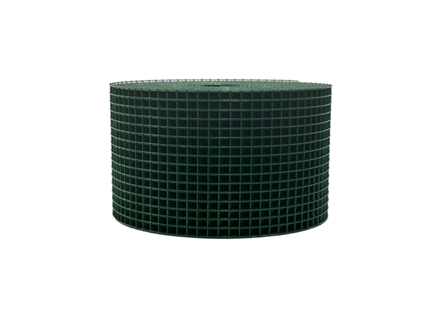
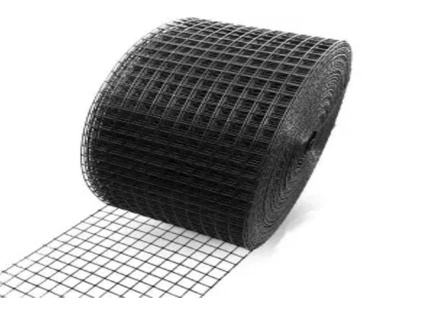
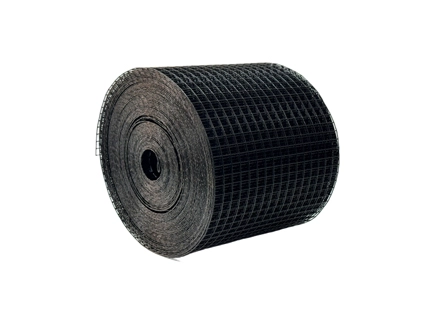
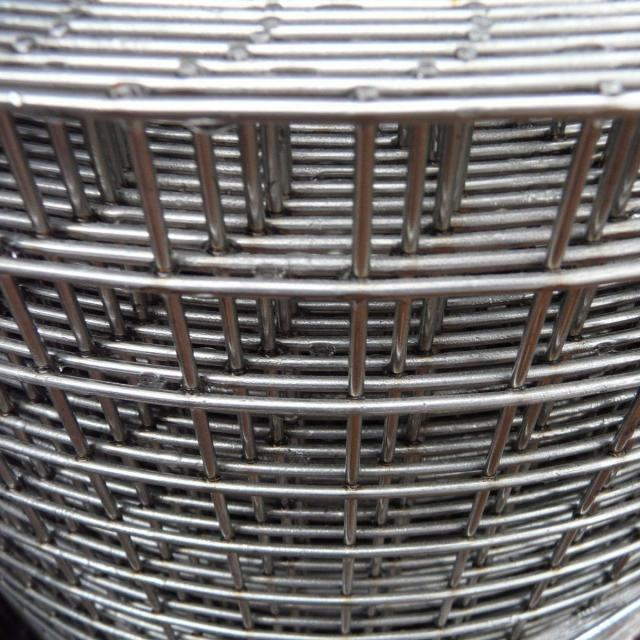
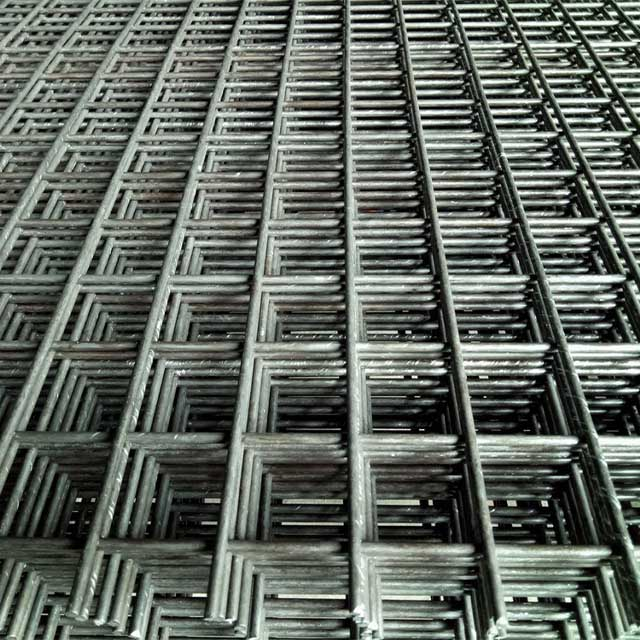
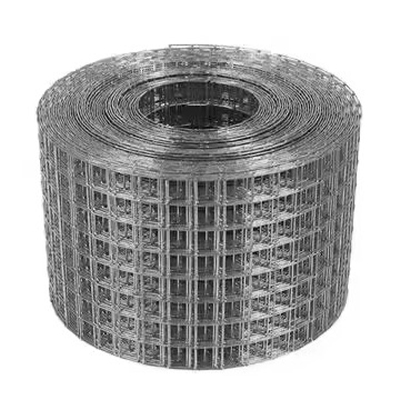
Welded wire mesh is a critical material in a variety of industrial applications, from concrete reinforcement in construction to industrial shelving, mining operations, and agricultural fencing. Ensuring that the mesh meets stringent quality standards is essential for long-term structural stability and corrosion resistance. For global B2B buyers, understanding the technical parameters of welded wire mesh and working with reliable suppliers can prevent costly project failures and safety issues. This article explores the key aspects of weld strength, surface treatment, and sourcing practices to ensure engineering certainty.
High-quality welded wire mesh is essential for industrial applications that demand durability, stability, and corrosion resistance. In construction, substandard mesh may compromise reinforced concrete structures, while in industrial shelving and agricultural fencing, broken welds or premature rust can lead to operational hazards.
For industries that rely on precision and longevity, sourcing from a certified industrial welded wire mesh supplier ensures consistent product quality. Reliable suppliers adhere to international production standards, utilize automated welding equipment, and provide detailed test reports, giving buyers confidence that the mesh will perform as required under load and environmental stress.
Industrial applications impose unique requirements: concrete reinforcement demands high tensile strength and dimensional stability; outdoor fencing requires long-term corrosion protection; and industrial racks need consistent mesh sizes for load-bearing reliability. Without meeting these standards, projects risk early deterioration, safety incidents, and increased maintenance costs.
A key factor in evaluating welded wire mesh is the weld shear strength test, which measures the ability of weld points to withstand force without failure. High-quality mesh maintains structural integrity even under heavy loads or when cut during installation.
Global buyers should reference standards such as ASTM A1064 or EN 10223, which specify minimum weld strength and sampling methods. Typically, random weld points are tested to endure at least 25% of the wire’s minimum breaking strength. These standards ensure that every batch of mesh meets rigorous safety and durability requirements.
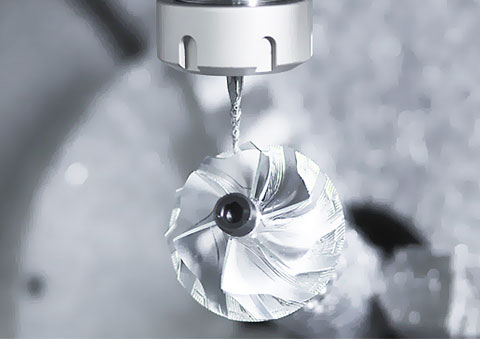
Leading suppliers, such as YangZhe Metal Wire Mesh, utilize automated CNC welding machines to precisely control electrical current and pressure. This ensures uniform fusion across all intersections, eliminating false or missed welds. Such advanced manufacturing processes are critical for high-stress applications like structural reinforcement, mining grids, and heavy-duty industrial storage.
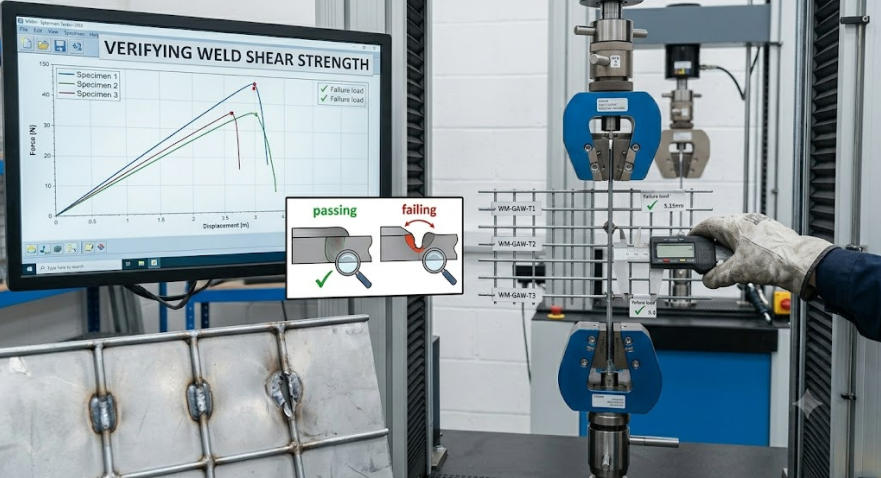
When sourcing welded wire mesh, B2B buyers should request weld shear test certificates and inspect samples for consistent weld quality. Verifying weld integrity before shipment reduces the risk of structural failure and project delays. By partnering with experienced industrial welded wire mesh suppliers, buyers gain access to high-quality products backed by technical expertise and production reliability.
Understanding the differences between Galvanized After Welding (GAW) and Galvanized Before Welding (GBW) mesh is crucial for selecting the right material based on environmental conditions and project lifespan.
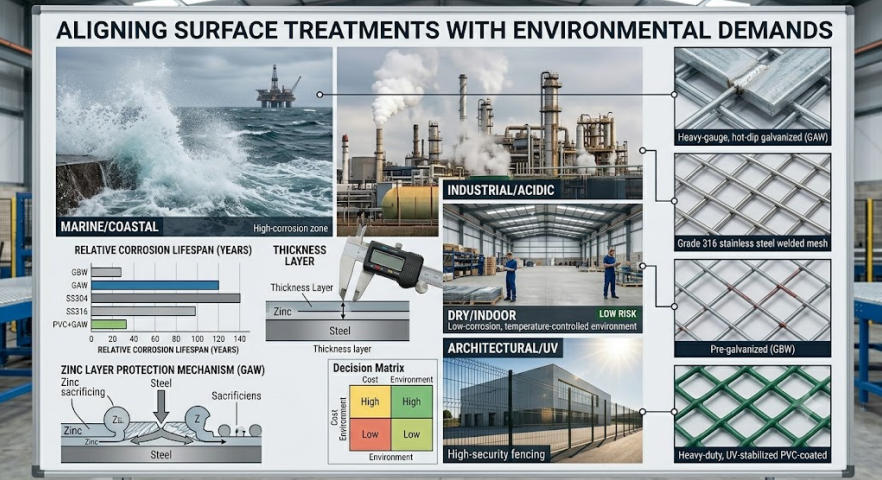
GAW mesh is welded first and then hot-dip galvanized. This process fully encapsulates the weld points with a thick zinc layer, providing superior corrosion protection for outdoor applications. GAW mesh typically offers a service life exceeding 10 years, making it ideal for construction, fencing, and outdoor industrial installations.
GBW mesh is made by welding pre-galvanized wires. The high heat from the welding process partially burns off the zinc coating at the intersections, reducing corrosion resistance. GBW mesh is therefore more suitable for dry indoor storage or temporary fencing applications where prolonged exposure to moisture is limited.
Feature | GAW Mesh | GBW Mesh |
Weld Coating Integrity | Full coverage | Partial coverage at welds |
Corrosion Resistance | High | Moderate |
Outdoor Durability | >10 years | Short-term |
Typical Applications | Construction, outdoor fencing, industrial grids | Indoor storage, temporary fencing |
Cost | Higher | Lower |
By evaluating the expected lifespan and environmental demands, buyers can make informed choices between GAW and GBW mesh for their projects.
Beyond galvanization, other surface treatments enhance the durability of welded wire mesh in specialized environments. Choosing the right treatment ensures long-term performance and reduces maintenance costs.
For chemical plants, marine structures, and pharmaceutical facilities, stainless steel welded mesh offers unparalleled resistance to acids, alkalis, and oxidation. Grades 304 and 316 are commonly used, providing corrosion protection where galvanization alone is insufficient.
Applying a polyvinyl chloride (PVC) or powder coating over galvanized mesh adds an additional layer of protection against moisture and chemical exposure. This coating also allows for aesthetic customization, making it popular for architectural fencing, garden protection, and decorative installations.
· Outdoor Industrial Applications: GAW mesh with PVC coating for extended corrosion protection
· Marine or Chemical Environments: Stainless steel mesh (Grade 316) for ultimate resistance
· Indoor Storage or Temporary Use: GBW mesh with optional coating for cost efficiency
Selecting the correct surface treatment not only protects the investment but also ensures compliance with project specifications and local environmental conditions.
Global procurement professionals can take several steps to verify welded wire mesh quality and avoid costly mistakes:
Request weld shear strength test reports and check samples for uniform fusion. Even minor inconsistencies can compromise structural stability.
Determine the deployment environment and select GAW, GBW, stainless steel, or coated mesh accordingly. Consider lifespan, exposure to moisture, and potential chemical contact.
Choose suppliers with extensive experience and production capabilities, such as automated CNC welding lines and quality assurance certifications. Partnering with a trusted industrial welded wire mesh supplier ensures reliable product performance and consistent technical support.
Q: How can I verify weld strength for imported mesh?
A: Request weld shear strength test reports and inspect random samples to ensure compliance with ASTM or EN standards.
Q: Which coating is best for outdoor industrial use?
A: GAW mesh or GAW with PVC coating is recommended for long-term outdoor durability.
Q: What is the expected lifespan of GAW vs GBW mesh?
A: GAW typically exceeds 10 years in outdoor conditions, while GBW is suitable for shorter-term, indoor applications.
Ensuring the quality of welded wire mesh requires a comprehensive understanding of weld shear strength, surface treatment options, and supplier reliability. By applying international standards and selecting materials appropriate to environmental demands, global buyers can secure durable, safe, and long-lasting mesh for construction, industrial, and agricultural projects. Partnering with an experienced industrial welded wire mesh supplier further guarantees consistent quality and technical support, reducing project risk and enhancing long-term value.