 EN
EN
What are you looking for?
Selecting the right type of welded wire mesh is a critical decision for international buyers and project managers. The choice between welded wire mesh rolls and panels affects not only installation efficiency but also container utilization and ocean freight costs. Each form has distinct specifications, applications, and logistical considerations. Understanding these factors allows procurement teams to optimize supply chains, reduce shipping expenses, and ensure on-site workflow efficiency. This guide provides a comprehensive comparison of rolls and panels, practical sourcing advice, and insights for freight optimization.
Welded wire mesh comes in two primary forms: rolls and panels. Each is designed for specific applications and project requirements. Choosing the correct form helps ensure structural integrity, simplifies installation, and minimizes costs.
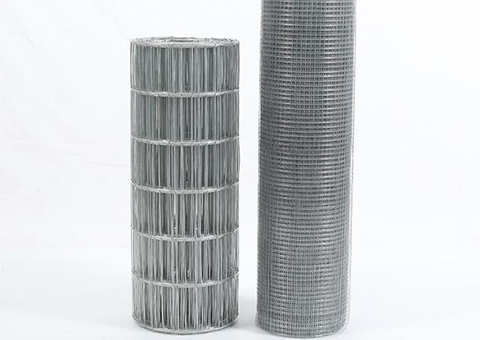
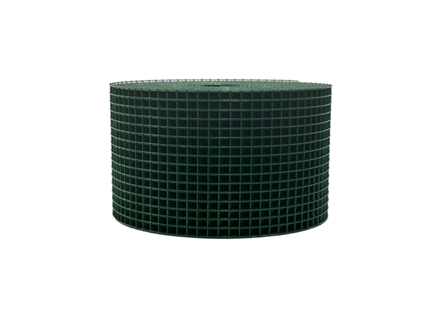
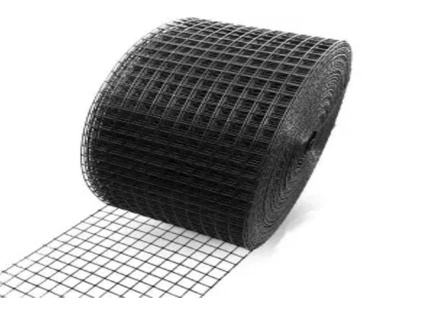
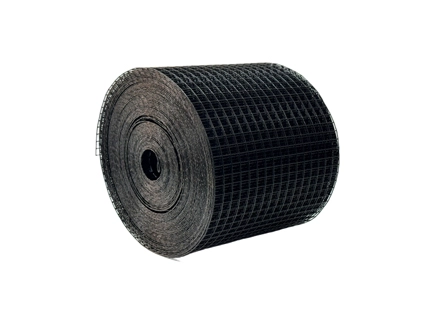
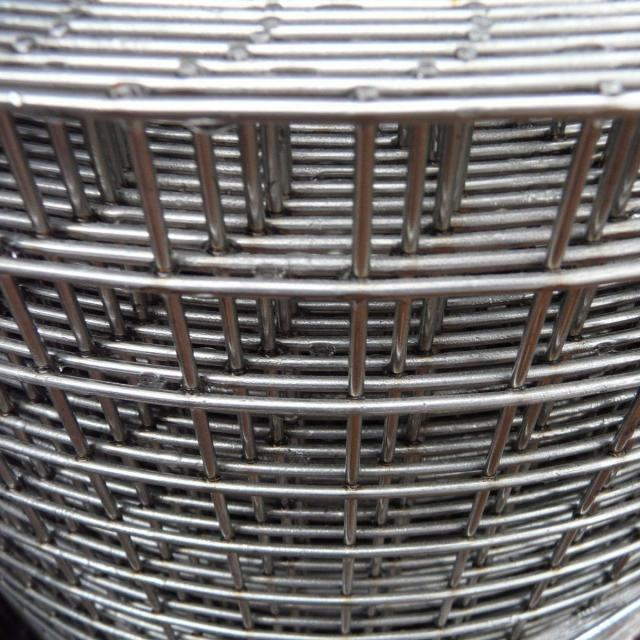
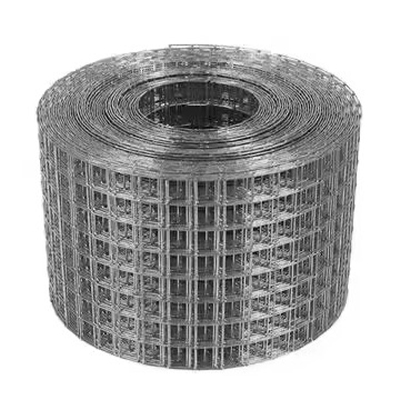
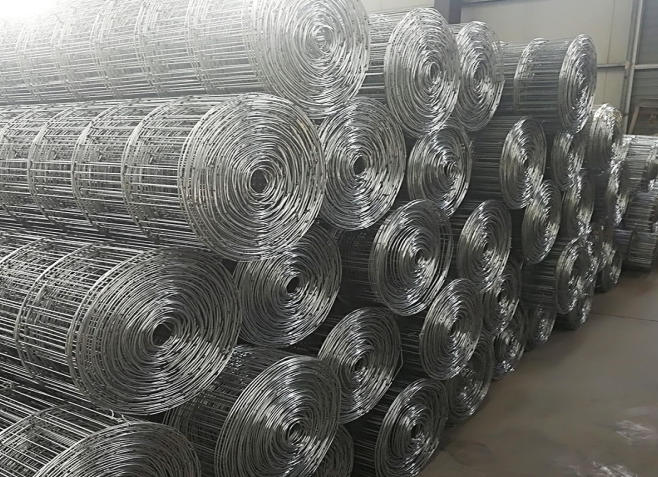
Welded wire mesh rolls are generally produced with thinner wires, usually under 2.5mm in diameter, and smaller mesh apertures. Standard roll lengths range from 15 to 30 meters, making them suitable for continuous runs or long boundary applications. Their flexibility allows easy adaptation to curved or irregular surfaces, but they require unrolling and straightening on site.
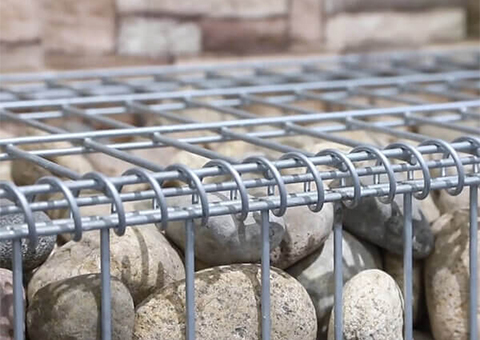
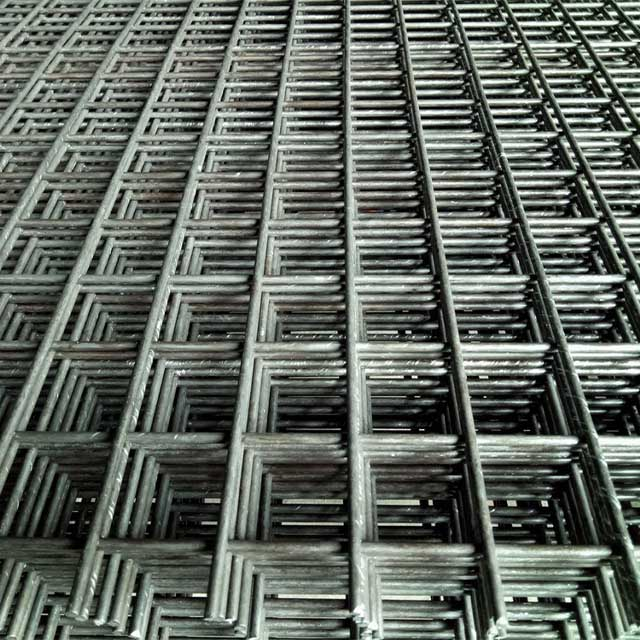
Panels, by contrast, use thicker wires ranging from 3mm to over 8mm, providing high structural rigidity. Their larger mesh openings and solid frame make them suitable for applications requiring load-bearing strength, such as concrete reinforcement and industrial racking. Panels maintain dimensional stability and are easier to install in high-stress environments.
· Rolls: Flexible, lightweight, and adaptable for long-run or irregular boundaries. Requires manual handling to counteract coil memory.
· Panels: Rigid, drop-in ready, or weldable onto frames. Offers rapid assembly without bending or adjustment.
Feature | Welded Wire Mesh Rolls | Welded Wire Mesh Panels |
Wire Diameter | <2.5mm | 3–8mm+ |
Mesh Aperture Size | Small | Large |
Length | 15–30m | Customizable |
Rigidity | Flexible | High rigidity |
Typical Industries | Agriculture, garden, light architecture | Construction, industrial, high-security fencing |
The choice between rolls and panels largely depends on the intended application, required structural integrity, and installation environment.
Rolls are ideal for applications that require flexibility and adaptability. They are commonly used in agricultural fencing, poultry cages, garden guarding, and light architectural plaster mesh. Rolls can easily follow curved paths and continuous boundaries, which makes them a practical solution for long, uninterrupted installations.
Panels are preferred for projects that require strength and rigidity. Common uses include construction concrete reinforcement, industrial warehouse racking, and high-security perimeter fencing. Panels maintain structural stability under load and provide a predictable installation workflow, which is especially valuable in industrial and construction settings.
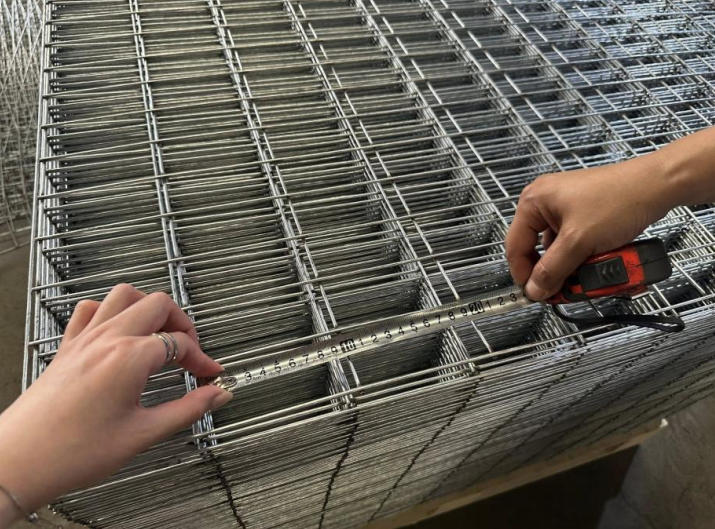
When wire diameters exceed 3mm or the application demands high rigidity, panels are the only viable choice. Procurement teams should always verify project specifications against product capabilities to avoid installation complications.
Optimizing container space and managing ocean freight costs are key concerns for international buyers. Rolls and panels differ significantly in shipping efficiency.
Rolls have a compact, cylindrical footprint and can be tightly nested within containers. This maximizes volume utilization, reduces shipping costs per ton, and is ideal for bulk shipments over long distances. Rolls also allow better handling for large quantities, making them an economical choice for long-run boundaries or high-volume projects.
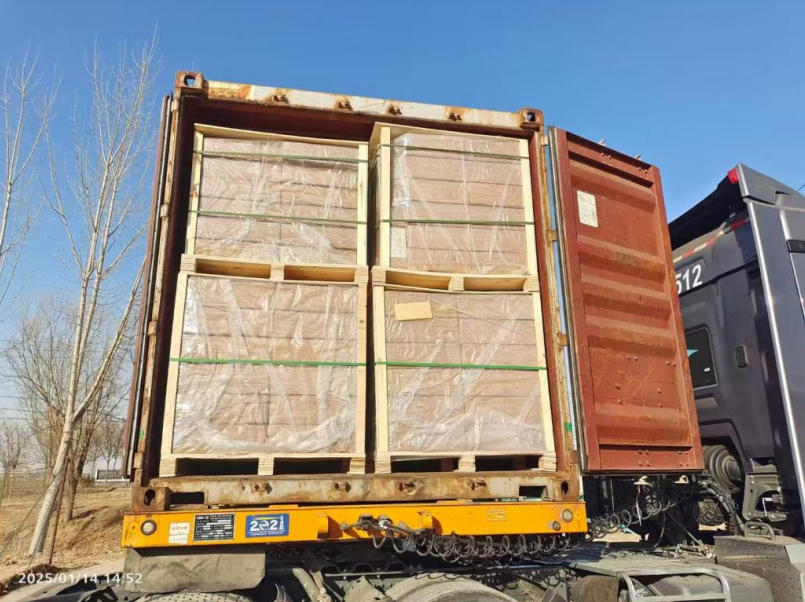
Panels are shipped flat on pallets, and irregular dimensions can create dead space in containers. This reduces overall load efficiency and increases freight costs. Panels are heavier and require careful handling to avoid damage during transport.
Working directly with manufacturers allows buyers to calculate panel dimensions to match 20GP or 40HQ container interiors. Customized sizing ensures maximum container utilization, minimizing dead space and reducing cross-border shipping costs. Proper coordination with the manufacturer is essential to achieving cost-effective logistics without compromising product quality.
Installation efficiency is another important factor when choosing between rolls and panels.
Although rolls are flexible and lightweight, unrolling them on-site requires time and labor. The “coil memory” can make the mesh slightly curved, necessitating manual flattening before installation. Teams should plan for these steps to maintain project timelines and ensure safety.
Panels arrive ready to install or weld directly onto frames. This eliminates the need for bending, saving significant labor hours. For high-volume or time-sensitive projects, panels provide a predictable and fast assembly workflow, reducing on-site adjustments and improving project efficiency.
Project managers should evaluate boundary lengths, labor availability, and installation speed requirements. Rolls suit flexible or long, irregular sites, while panels offer rapid deployment in rigid structures.
Partnering with experienced manufacturers can optimize both supply chain efficiency and on-site installation.
For heavy-duty applications where wire diameter exceeds 3mm, panels are required. Rolls cannot accommodate thick wires without compromising structural integrity.
Direct manufacturers, such as YangZhe Metal Wire Mesh, provide custom panel designs and reverse-engineered solutions. By calculating exact dimensions to match container interiors, buyers can maximize load capacity, reduce shipping costs, and streamline logistics.
Combining correct mesh form selection with strategic container planning minimizes cross-border freight overhead. Coordination with suppliers ensures that shipments arrive on time, properly packaged, and optimized for both cost and installation efficiency.
Q: Which mesh form reduces ocean freight costs for long shipments?
A: Rolls maximize container utilization due to their compact, nestable design.
Q: How does wire gauge affect installation efficiency?
A: Heavy-gauge wires require panels, which allow zero bending and faster installation.
Q: Can manufacturers customize mesh for container optimization?
A: Yes. Experienced suppliers calculate panel dimensions for maximum container load, reducing shipping costs while maintaining structural integrity.
Selecting between welded wire mesh rolls and panels requires balancing structural needs, installation efficiency, and logistics considerations. Rolls are ideal for flexible, lightweight applications with long boundaries, while panels provide rigidity, load-bearing strength, and rapid assembly. Collaborating with experienced manufacturers allows buyers to optimize supply chains, customize dimensions, and minimize freight costs. Careful planning ensures projects are completed efficiently, safely, and within budget.
By following a structured approach based on wire gauge, application requirements, container logistics, and on-site installation needs, international buyers can make informed decisions that enhance both project performance and supply chain efficiency.