 EN
EN
What are you looking for?
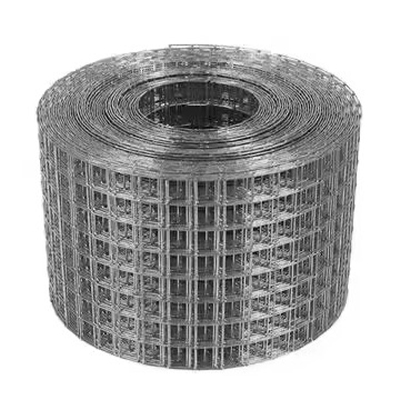
Global procurement of welded wire mesh is a highly technical process. Even minor specification misalignments can cause failed inspections, production delays, and increased shipping costs. Cross-border buyers frequently encounter issues due to differences in measurement standards, coating specifications, or mesh aperture calculations. By understanding these common errors and adopting a structured approach to RFQ (Request for Quote) preparation, international buyers can ensure accurate sourcing, consistent quality, and smooth logistics. This guide highlights the pitfalls, explains precise specification methods, and provides a professional RFQ template for Chinese factories.
Errors in welded wire mesh procurement often arise from ambiguity or inconsistent standards. Common mistakes include:
· Wire gauge confusion: Relying solely on AWG (American Wire Gauge) or BWG (Birmingham Wire Gauge) without specifying millimeter thickness can lead to incorrect wire diameters.
· Aperture miscalculations: Not clarifying whether the measurement is center-to-center (C/C) or clear opening can change mesh density and affect structural or security performance.
· Coating misalignment: Differences between raw wire diameter and finished diameter after galvanization or PVC/powder coating often result in product mismatches.
These errors can delay projects, increase costs, and compromise safety or functionality. Understanding these pitfalls is the first step to sourcing accuracy.
Wire diameter is a critical specification in welded wire mesh. Miscommunication over gauge systems is a frequent source of procurement errors.
· Avoid Generic Gauge References: Stating “12 gauge” without clarification is ambiguous. For instance, 12 BWG equals 2.64 mm, whereas 12 AWG equals 2.05 mm. The difference may compromise structural performance in construction or industrial applications.
· Use Metric Measurements: Always specify the wire diameter in millimeters (e.g., 3.0 mm) and clarify whether this refers to the raw wire or the finished diameter after coating. PVC or powder coating can increase the effective diameter, affecting spacing and load-bearing calculations.
· Best Practice: Include both metric and gauge equivalents in the RFQ, for example: “Wire Diameter: 3.0 mm (12 BWG, raw wire).” This ensures the factory produces the exact specification required.
The method of measuring mesh apertures directly affects material performance and application suitability.
· Center-to-Center (C/C): Measured from the center of one wire to the center of the adjacent wire. This standard is commonly used in automated manufacturing for uniform density and alignment. It ensures predictable structural performance, especially in construction reinforcement or industrial shelving.
· Clear Opening (Inside Aperture): Measures the net distance between wires, excluding the wire thickness. Clear opening is essential for precise filtration, security mesh, or applications where exact spacing is critical.
Practical Tip: RFQs should explicitly state the measurement method. Example: “Mesh Aperture: 50 mm × 50 mm (Center-to-Center)” or “25 mm × 25 mm Clear Opening.” This eliminates ambiguity and ensures the factory meets functional requirements.
Different industries require specialized welded wire mesh specifications:
· Mining and Infrastructure: Heavy-gauge panels with larger apertures for structural reinforcement.
· Mass Transit and Rail Systems: High-strength panels with precise spacing to comply with safety standards.
· Chemical and Pharmaceutical: Stainless steel mesh or coated variants for corrosion resistance in harsh environments.
Partnering with agile OEM/ODM suppliers like YangZhe Metal Wire Mesh ensures that all dimensions conform strictly to international standards. Integrated ERP systems track production from wire drawing through final processing, maintaining 100% compliance. Buyers benefit from predictable quality, faster lead times, and competitive pricing.
A clear RFQ prevents specification errors and ensures your supplier fully understands project requirements. The following section is included exactly as requested for use in communication with Chinese factories:
Standard Professional RFQ Template for Wire Mesh Buyers:
Product Type: Welded Wire Mesh Panel (Construction Reinforcement)
Wire Diameter: 4.0 mm Base Wire (Before Green PVC Coating)
Mesh Aperture: 50 mm × 50 mm (Measured Center-to-Center)
Material & Finish: Hot-Dip Galvanized + Exterior UV-Stabilized PVC Coating
Panel Dimensions: 2.0 m Width × 3.0 m Length
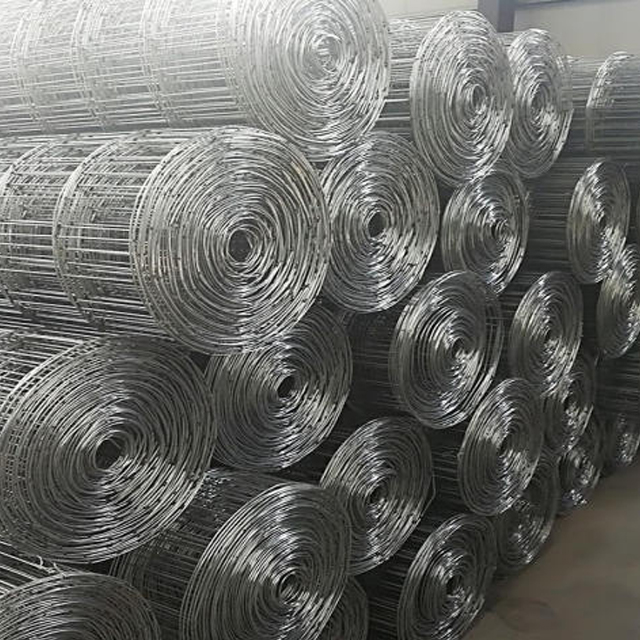
This template provides precise, unambiguous specifications that eliminate common sourcing errors related to wire gauge, mesh size, and coating. Buyers can copy this directly into their RFQs to secure accurate quotations and ensure compliance with engineering requirements.
1. Double-check metric vs gauge: Always ensure the wire diameter aligns with engineering requirements in millimeters.
2. Specify aperture measurement method: Clarify whether you use center-to-center or clear opening.
3. Detail material and coating: Include wire type, galvanization method, PVC or powder coating thickness, and UV or chemical resistance.
4. Engage experienced OEM/ODM suppliers: Factories with ERP-tracked production and international standard compliance help minimize errors.
5. Include quality assurance requirements: Specify weld shear tests or other inspection protocols prior to shipment.
By following these practices, procurement managers reduce risk, improve quality compliance, and streamline international logistics.
Global welded wire mesh procurement requires careful attention to detail, structured RFQs, and close collaboration with experienced manufacturers. The most common errors—wire gauge confusion, aperture misinterpretation, and coating discrepancies—can be avoided by:
· Using metric wire diameter and clarifying raw vs finished dimensions.
· Explicitly stating the aperture measurement method (C/C or clear opening).
· Detailing material and coating specifications for environmental suitability.
Including a professional RFQ template and working with agile OEM/ODM suppliers ensures sourcing accuracy, quality compliance, and optimized lead times. Implementing these practices reduces delays, prevents costly mistakes, and establishes a reliable international supply chain.