 EN
EN
What are you looking for?
Wire mesh manufacturing by Welded Wire Mesh Manufacture in China is based on classic textile production procedures such as weaving and knitting. Wire weaving on looms for industrial purposes began in the early 18th century. During those years, the steam-driven loom for textile weaving was established, and this new technology quickly spread to the wire sector, particularly for automated wire weaving processes. The increasing paper industry fuelled the creation of wire meshes, as an unending wire mesh belt allowed for considerably faster pulp processing than before.
Humphry Davy, a chemist, designed the "Davy lamp" in 1815, and wire mesh is used in it. It was intended to lessen the risk of combustible gas explosions while also warning of the presence of carbon monoxide in mines. This safety lamp was critical to the development of the coal and iron ore mining industries, as well as steel production in the nineteenth century. As a result, woven wire mesh played an important role in the advancement of the industrial revolution. Modern welding processes, such as resistance welding, emerged in the early twentieth century as electricity became more widely available, paving the path for the production of welded wire mesh. The wire mesh sector saw an economic boom throughout the first decades of the twentieth century as military demand for aeroplanes, tanks, vehicles, and gas mask filters increased.
Manufacturing wire mesh, wire cloth, and various packaging kinds
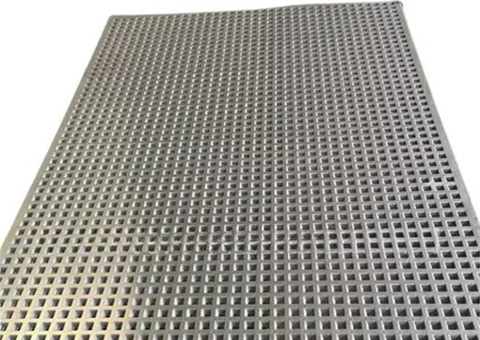
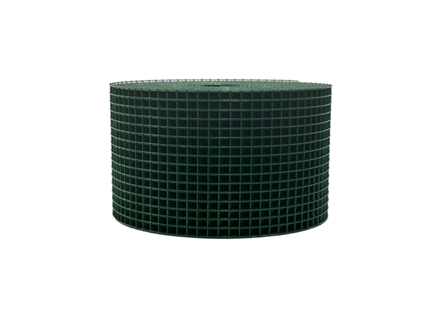
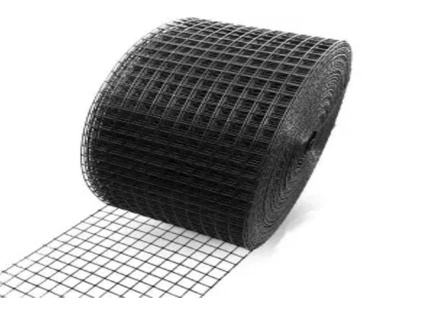
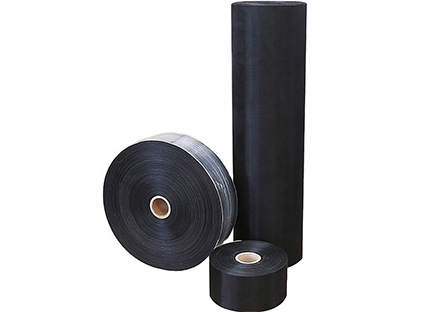
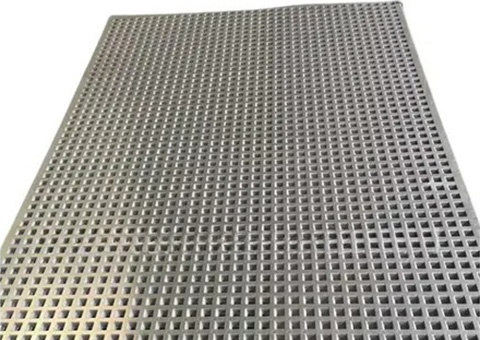
Metallic wires are processed into wire mesh using a variety of ways, including welding, weaving, netting, and knitting. Flat mesh goods enter the market in the shape of coils or stacks.
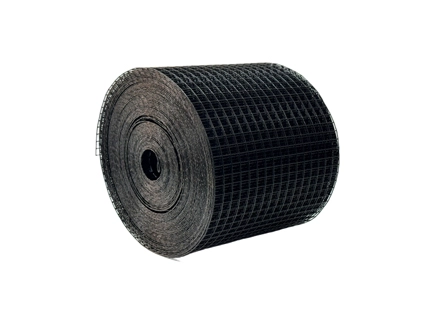
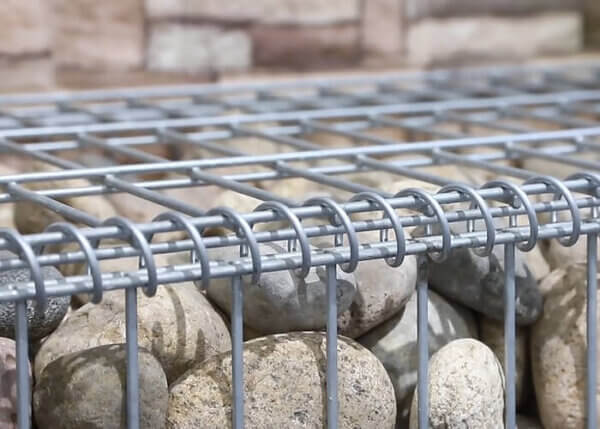
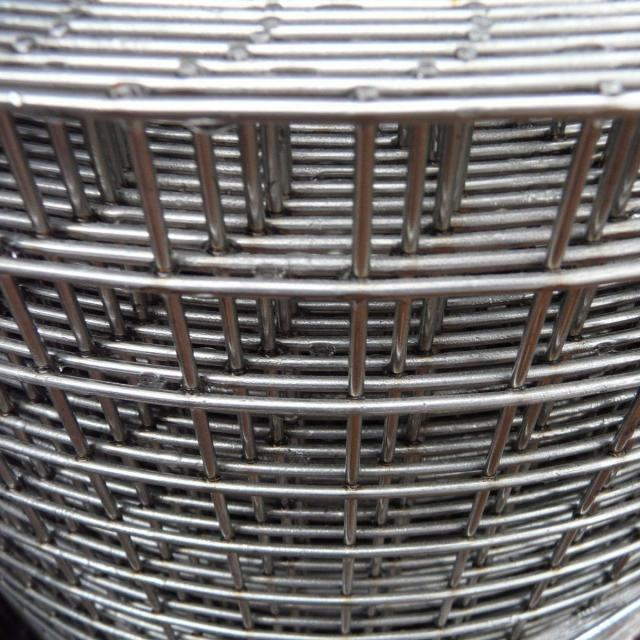
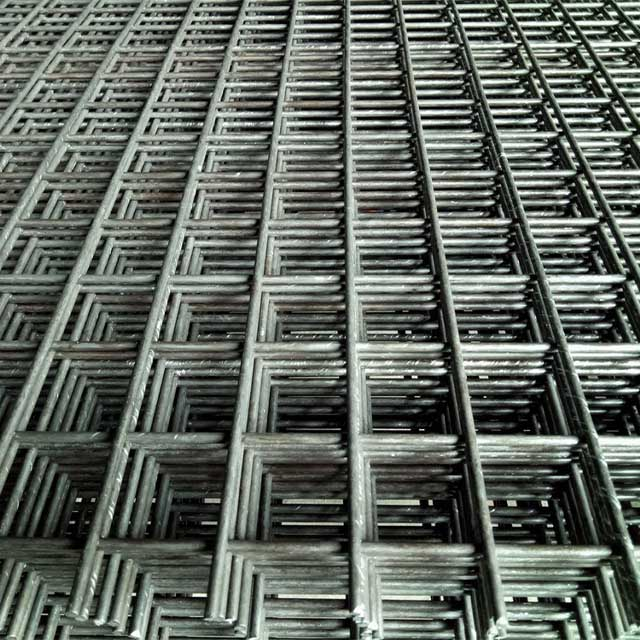
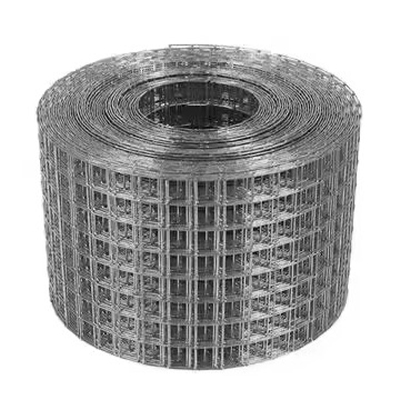
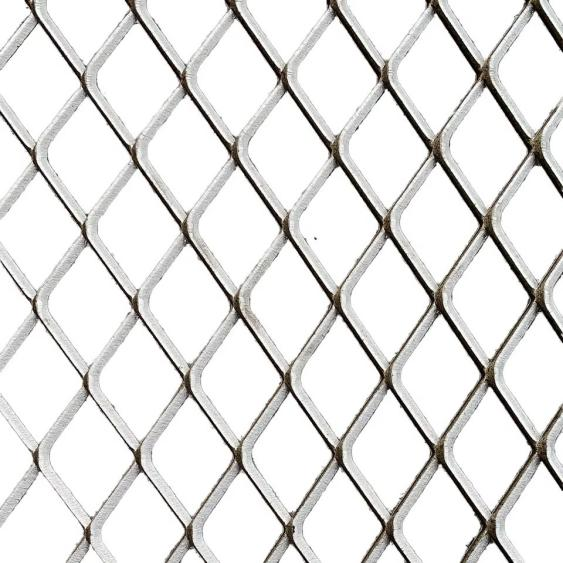
Welded wire mesh is manufactured using automated CNC welding machines. Horizontal wires are fed in parallel rows into the machine directly from the coil. Vertical wires are straightened, clipped, and put on top of horizontal wires for spot welding applications. In this manner, a flat and rigid panel with square, rectangular, or diamond-shaped meshes is produced. When the mesh panel reaches the appropriate length, a shear is used to cut it. The final goods are then extracted from the welding line and stacked for further transportation.
Different diameter and wire spacing arrangements provide extensive panel customisation to meet any requirement.
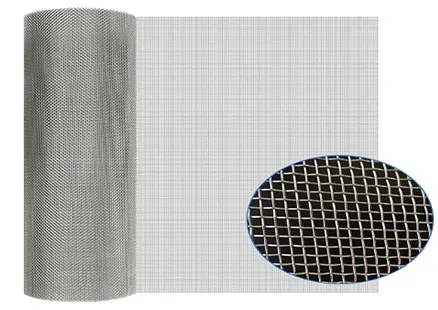
Wire cloth is created using weaving machines. The longitudinal wires, also known as warp wires, run continuously from the back of the machine to the front. A mechanism keeps the warp wires in place. A device raises and lowers certain of these wires alternately, resulting in a transverse aperture. A shuttle bearing another wire, known as weft wire, is "shot" through one aperture, and then returned through the next, and so on. In this manner, the weft wire is weaved through the warp wires. The wire cloth is formed by interlacing both types of wires at precise angles.
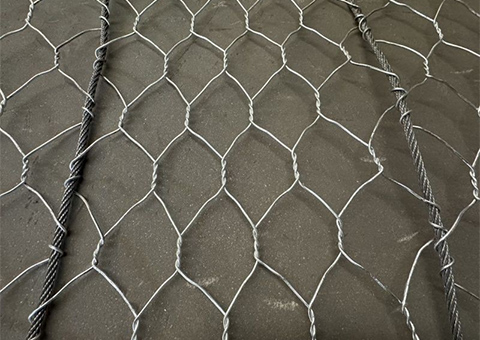
Wire nettings are made by Welded Wire Mesh Manufacture in China using chain link machines, which loop various wires into one another in a consistent manner.