 EN
EN
What are you looking for?
In fencing projects, failures rarely start during installation —
they usually begin with incorrect product selection.
From our experience at YangZheMetal, many buyers encounter issues such as:
Fence panels bending after installation
Rust appearing within 6–12 months
Structural instability under wind load
These problems are not random — they are caused by choosing the wrong specifications or fence system.
This guide explains how to select the right metal fence based on real project conditions, not just catalog descriptions.
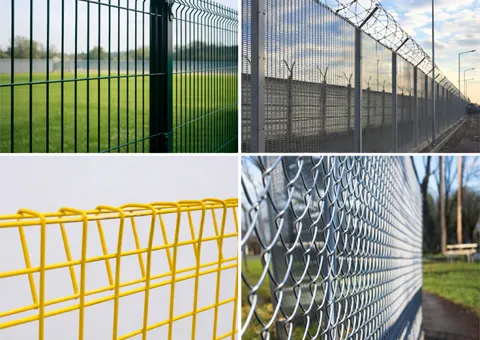
Different fencing systems are designed for different purposes. Choosing the wrong type can lead to unnecessary cost or insufficient performance.
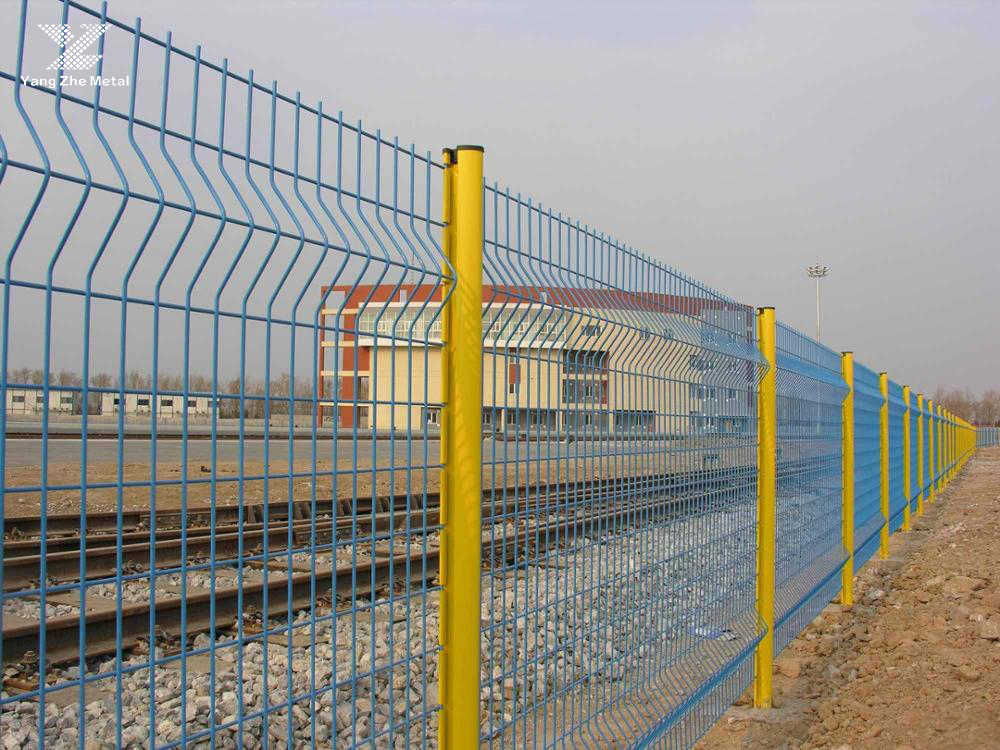
Cost-effective solution
Good rigidity due to V-bends
Suitable for residential and light industrial use
Learn more about this system:
https://www.wiremeshprovider.com/3d-fence/
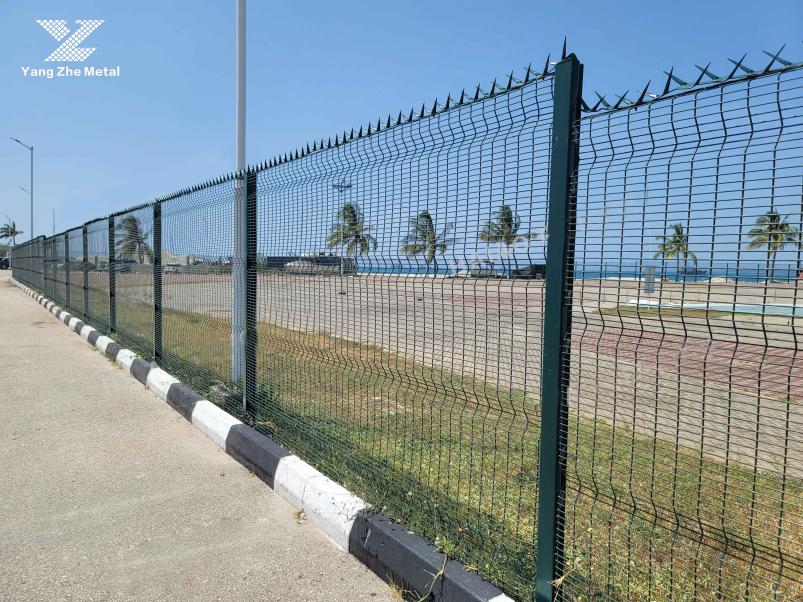
High-security fencing system
Small mesh opening prevents climbing and cutting
Used in prisons, airports, infrastructure
Explore full specifications:
https://www.wiremeshprovider.com/358-fence/
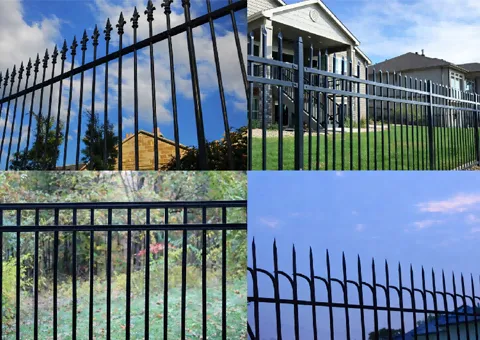
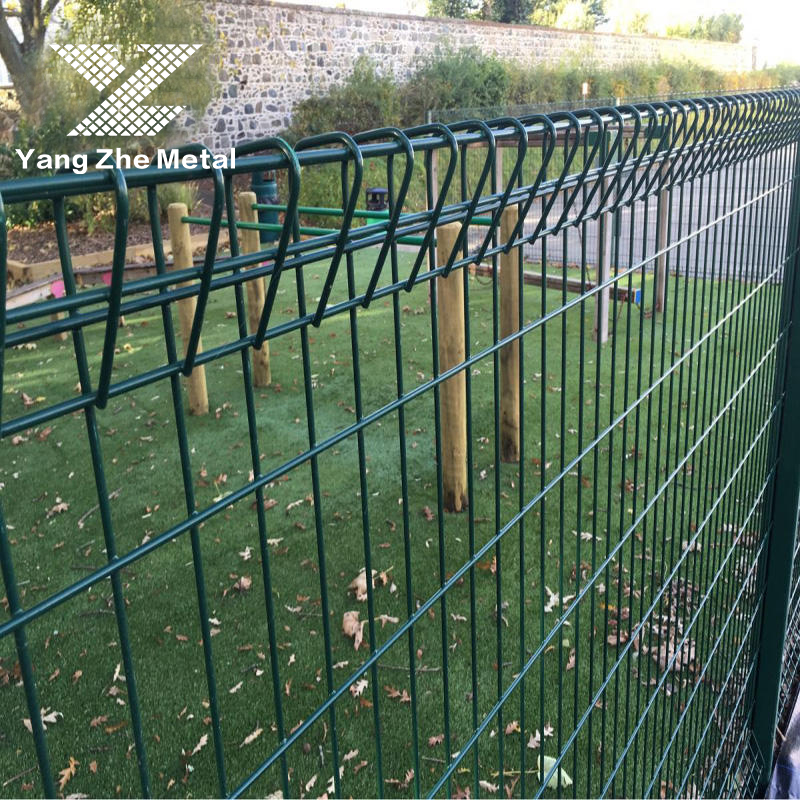
Smooth rolled edges for safety
Clean appearance
Common in public and residential areas
See product details:
https://www.wiremeshprovider.com/brc-fence/
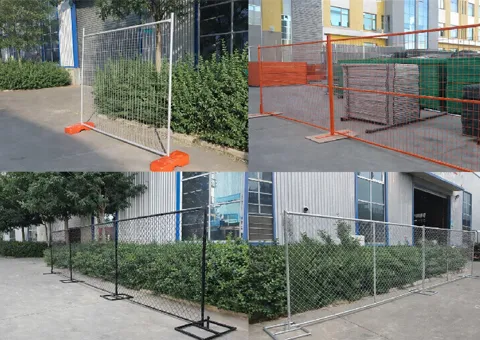
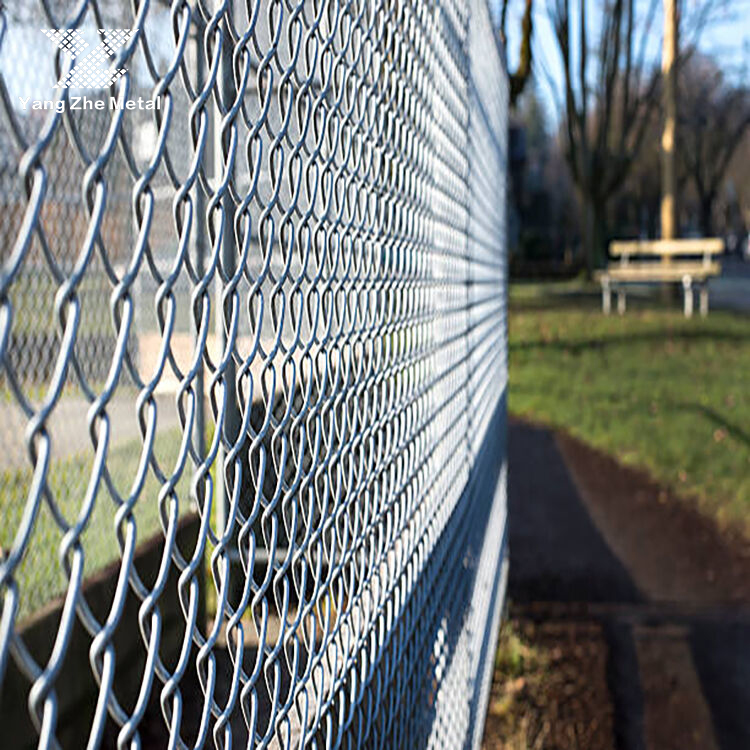
Flexible and economical
Easy installation and maintenance
Suitable for large areas and perimeter fencing
View chain link options:
https://www.wiremeshprovider.com/chain-link-fence/
Fence selection depends heavily on local standards, environment, and project type.
From our export experience:
United States
Chain link fence + galvanized steel posts for cost efficiency
United Kingdom
358 anti-climb fence for high-security applications
Australia
Powder-coated heavy-duty fences due to harsh climate
Matching fence systems to regional demand helps avoid over-specification and unnecessary cost.
Lower prices often mean:
Thinner wire diameter
Lower zinc coating
Shorter service life
This leads to higher long-term replacement costs
Corrosion protection is critical for outdoor fences.
Mild environments → Electro-galvanized
Outdoor / coastal → Hot-dip galvanized or PVC coated
Poor coating choice can result in rust within months
This is frequently underestimated:
Poor packaging → deformation during shipping
Coating damage → early corrosion
Always confirm packaging and loading method before shipment
One U.S. client initially selected a fence with a 0.8 mm wire diameter to reduce costs.
After installation:
Fence became unstable under wind
Several panels deformed
Solution:
Upgraded to 1.5 mm wire diameter
Adjusted post spacing
Result: Stable structure with no further issues
This demonstrates:
Correct specifications are more important than initial price savings.
Before placing an order, confirm:
Wire diameter
Mesh size
Post thickness and spacing
Surface treatment (galvanized / powder coating / PVC)
Packaging method
These factors directly impact durability and installation success.
If you are sourcing metal fencing:
Avoid relying only on product images
Do not compare quotes without checking specifications
Always match fence type with project conditions
Selecting the right metal fence is not about choosing the most common option —
it's about choosing the most suitable system for your project.
At YangZheMetal, we focus on helping buyers avoid mistakes before production, not after installation.
If you have drawings or project requirements, we can help review your specifications and suggest the right fence system.