 EN
EN
What are you looking for?
A complete expanded metal specification should define more than the diamond size. Buyers should confirm the material, SWD and LWD, strand width, sheet thickness, raised or flattened profile, sheet dimensions, and surface finish before requesting a quotation.
These variables work together. Two meshes with similar-looking openings can have very different weight, rigidity, open area, load performance, and cost if their strand width or thickness is different.
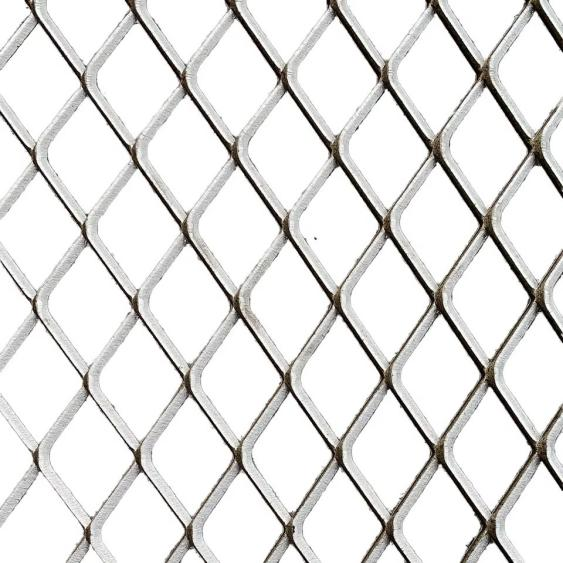
SWD and LWD describe the pitch of the expanded pattern rather than simply the visible clear opening.
SWD, or Short Way of Design/Dimension, is measured from the center of one bond to the center of the next bond across the shorter direction of the diamond.
LWD, or Long Way of Design/Dimension, is the corresponding center-to-center measurement along the longer direction.
The clear opening is normally described separately as SWO and LWO. This distinction matters because specifying only “a 20 × 40 mm opening,” for example, may not tell an expanded metal mesh manufacturer exactly which dimension the buyer is referring to.
For technical quotations, always state whether the dimensions refer to center-to-center pitch or clear opening.
Diamond dimensions control the general geometry of the mesh, but they do not fully determine its mechanical characteristics.
Two expanded metal sheets may share the same SWD and LWD while using different strand widths or sheet thicknesses. The version with wider or thicker strands will generally contain more metal per square meter and provide greater rigidity, but it will also increase weight and reduce open area.
This is why professional specifications normally combine:
SWD × LWD
Strand width
Strand thickness
Material
Raised or flattened form
Sheet size
Surface finish
Treating these parameters as one system reduces the risk of receiving a mesh that matches the nominal diamond size but performs differently from the intended design.
Strand width is the width of the metal section between adjacent openings.
It has a significant influence on open area, stiffness, weight, visibility, airflow, and load distribution.
A narrower strand generally creates a more open structure and reduces material weight. A wider strand provides more metal between openings and can increase rigidity where stronger screening, guarding, platforms, or architectural panels are required.
For buyers comparing quotations, strand width should therefore never be omitted. A lower-priced mesh with the same SWD and LWD may simply contain narrower strands and less material.
YZ can customize strand width together with mesh dimensions and material according to project requirements.
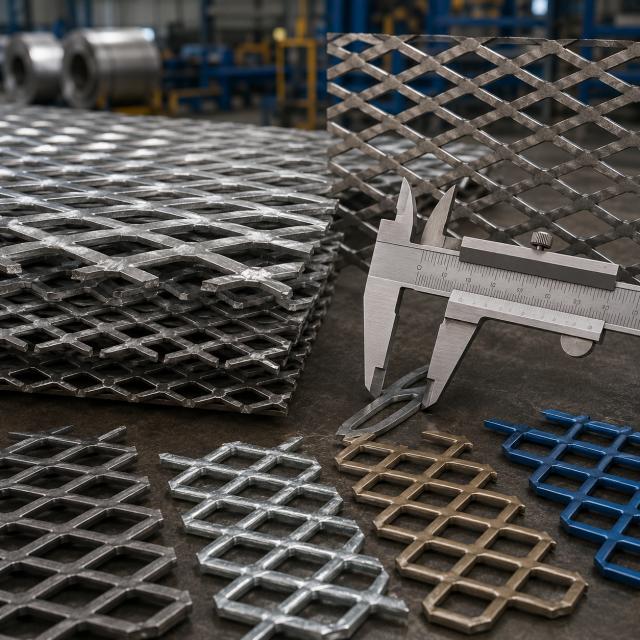
Thickness refers to the thickness of the original metal sheet used to produce the expanded structure.
Increasing thickness generally increases stiffness and resistance to deformation, but the correct value depends on the application. Machine guards and decorative screens do not require the same specification as walkways or industrial platforms.
For heavy duty expanded mesh, buyers should evaluate thickness together with strand width and diamond geometry rather than selecting the thickest sheet available.
A heavy mesh with relatively short openings and substantial strands can provide a much different structural response from a mesh produced from the same sheet thickness but with larger diamonds.
YZ's expanded wire mesh range supports thicknesses from approximately 0.5 to 10 mm and strand widths from 0.5 to 10 mm, with customized specifications available for different applications.
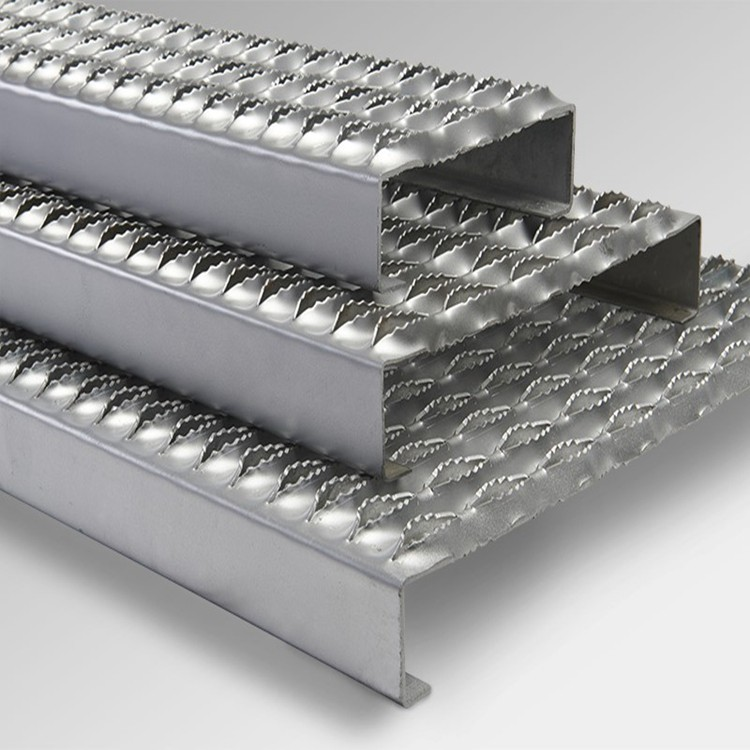
Raised expanded metal retains the three-dimensional profile created during the expanding process. The strands and bonds sit at an angle to the plane of the sheet.
This profile provides useful grip and rigidity, which is why raised mesh is frequently considered for industrial flooring, stair treads, platforms, ramps, and machine protection.
Flattened expanded metal passes through additional rolling after expansion to create a smoother, flatter surface.
It is usually preferred where a more uniform surface, lower overall profile, cleaner appearance, or easier fabrication is important. Typical uses include guards, screens, architectural panels, enclosures, and fabricated components.
Buyers should explicitly state “raised” or “flattened” on the RFQ because flattening changes the final geometry and overall thickness of the product.
Surface finish should be chosen according to material, environment, appearance, and expected service life.
Galvanizing is widely used for carbon steel exposed to moisture or outdoor conditions. It improves corrosion resistance and is commonly specified for fencing, industrial guards, platforms, and exterior applications.
Coated mesh provides additional environmental protection while allowing buyers to specify a particular appearance or color. It is often suitable for fencing, architectural screening, machinery protection, and public-facing installations.
Anodizing is commonly associated with aluminum where corrosion resistance and a controlled architectural finish are required.
Stainless steel may be specified without an additional protective coating where corrosion resistance, cleanliness, or long-term durability is the priority.
YZ offers surface treatment options including galvanizing, PVC coating, epoxy resin treatment, anodizing, and other customized finishes.
Start with the service requirement rather than copying a mesh size from another project.
For flooring, access platforms, stair treads, equipment guards, or other demanding applications, the specification should consider the expected load, support spacing, installation method, environmental exposure, and required slip resistance.
The mesh pattern can then be selected around those requirements.
A typical RFQ might include:
Material: Carbon steel
Type: Raised expanded metal
SWD × LWD: Project-specific
Thickness: Project-specific
Strand width: Project-specific
Sheet size: Required finished dimensions
Finish: Hot-dip galvanized
Application: Industrial walkway
This provides much more useful information than requesting “heavy expanded metal mesh” without dimensional details.
For load-bearing applications, the final specification should also be checked against the project's engineering and applicable safety requirements.
A good RFQ should allow the supplier to understand both the required product and its application.
Before requesting pricing, provide:
Material grade
SWD and LWD
Strand width
Sheet thickness
Raised or flattened type
Sheet width and length
Surface treatment
Required quantity
Intended application
Any fabrication, cutting, framing, or packaging requirements
If the exact specification has not yet been finalized, providing the application is especially useful. An experienced expanded metal mesh manufacturer can then recommend suitable combinations rather than quoting an arbitrary mesh size.
YZ produces expanded metal in carbon steel, stainless steel, galvanized steel, aluminum and other materials, with customized mesh dimensions and OEM/ODM options available.
One of the most common purchasing errors is assuming that SWD × LWD represents the clear hole size.
Another is comparing suppliers using diamond dimensions alone. If thickness, strand width, material grade, and finish are not identical, the quotations may represent substantially different products.
Buyers should also avoid using terms such as “standard mesh,” “thick mesh,” or “large hole mesh” without dimensional values. These descriptions can vary between markets and manufacturers.
For repeat orders, keeping an approved specification sheet or physical sample is one of the simplest ways to maintain consistency between production batches.
Specifying expanded metal accurately requires SWD and LWD to be considered together with strand width, sheet thickness, profile, material, dimensions, and finish.
For general expanded metal sheets, opening geometry and open area may be the primary concern. For heavy duty expanded mesh, strand dimensions, material thickness, support conditions, and structural requirements become much more important.
Providing these details at the RFQ stage allows manufacturers to quote comparable products, reduces specification errors, and makes it easier to balance strength, weight, corrosion resistance, and project cost.
YZ Wire Mesh provides customized expanded metal specifications for industrial, construction, security, architectural, and fabrication applications.
No. SWD normally refers to a center-to-center mesh dimension. The clear opening should be specified separately.
Thickness comes from the original sheet thickness, while strand width describes the width of metal between adjacent openings.
Flattening changes the mesh geometry and profile. The correct choice depends on the required surface, rigidity, fabrication, and application.
Provide material, SWD/LWD, strand width, thickness, raised or flattened type, sheet size, finish, quantity, and application.
Yes. Mesh dimensions, material, thickness, strand width, sheet size, and surface treatment can all be customized for project requirements.