 EN
EN
What are you looking for?
For commercial installers, the best system is not simply the strongest mesh available. It should combine an appropriate opening size, corrosion-resistant material, secure non-penetrating fasteners, and roll dimensions that match common array heights.
These details directly affect installation speed, material waste, callbacks, and long-term performance. For contractors handling multiple residential developments or larger rooftop projects, standardizing the specification can also make estimating and inventory management much easier.
Mesh opening should be small enough to prevent pigeons and other common pests from entering beneath the array while still allowing ventilation and drainage.
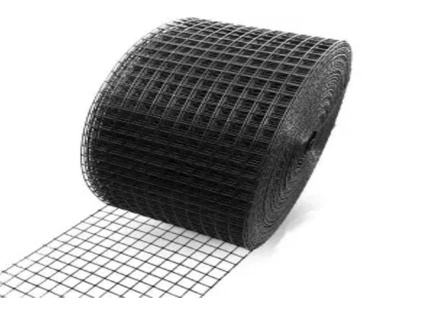
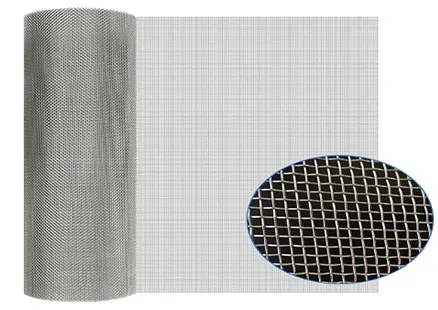
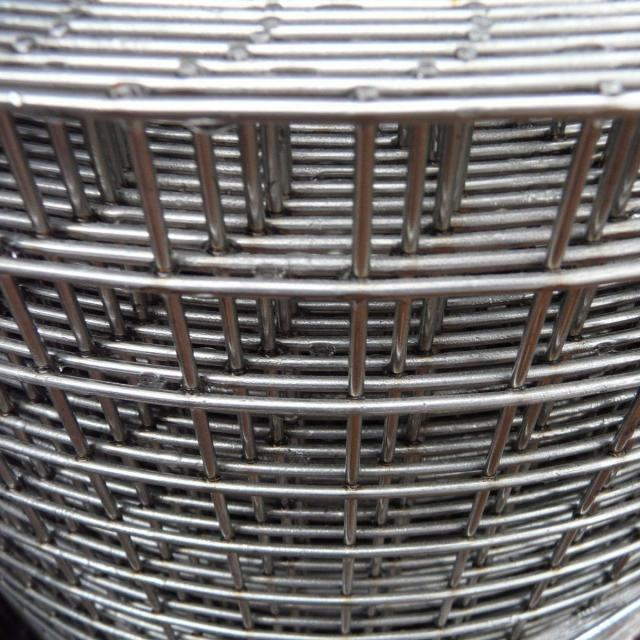
For most installations, a solar panel bird guard with approximately 1/2-inch openings provides a practical balance between exclusion performance and ease of handling. YZ currently offers 1/2" × 1/2" and 1" × 1/2" configurations for different installation requirements.
The opening size should not be considered separately from wire stiffness. Very lightweight mesh may be easier to cut, but it can deform around roof contours or develop gaps after installation. Commercial installers should therefore evaluate aperture, wire strength, and coating as one specification rather than purchasing purely by mesh size.
For projects where smaller animals may also be present, the smaller opening is generally the safer specification.
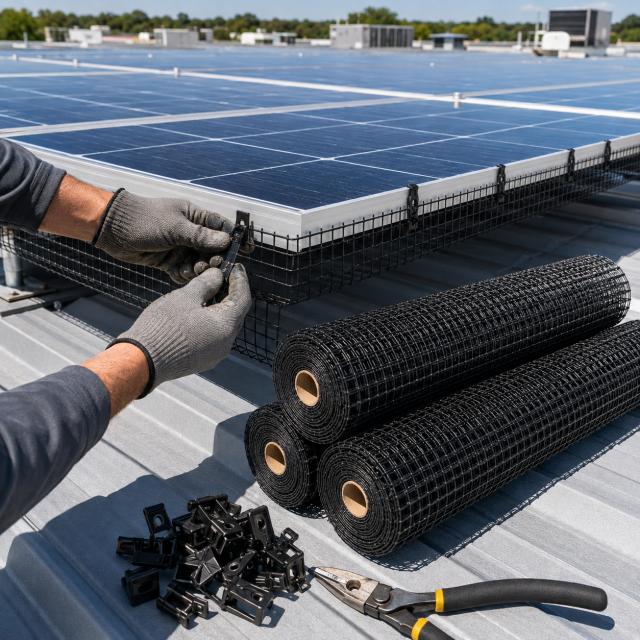
Mesh width should correspond to the distance between the module frame and roof surface, with enough material remaining to create a secure return at the bottom.
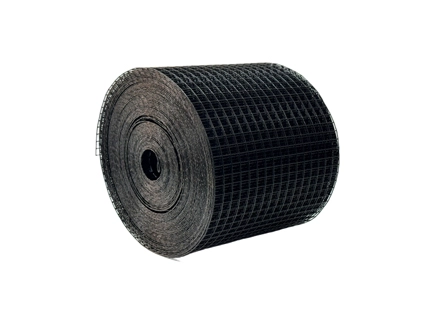
Common widths include 4, 6, 8, 10, and 12 inches. A low-profile array may require relatively narrow solar panel bird proofing mesh, while installations with greater roof clearance need wider rolls.
Choosing the correct width matters for commercial work because excessive trimming adds labor and waste. Mesh that is too narrow, meanwhile, can create tension or leave openings along uneven roof surfaces.
A practical purchasing strategy is to identify the two or three array heights most frequently encountered by the installation team and stock corresponding roll widths rather than using one oversized product for every project.
The coating or base material should be selected according to expected exposure rather than appearance alone.
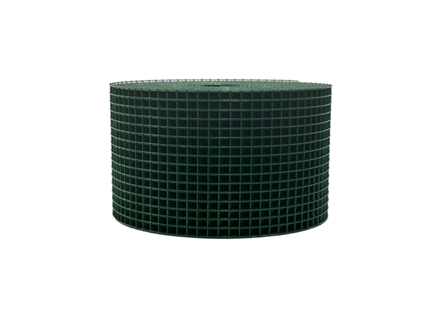
Galvanized steel is a practical option for general outdoor installations because the zinc layer improves corrosion resistance while keeping the mesh relatively economical.
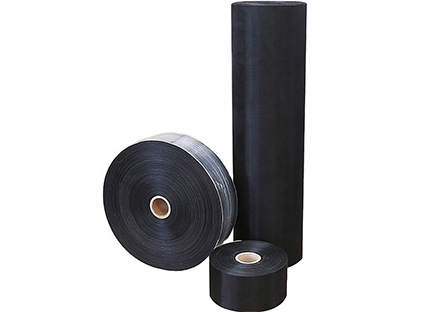
PVC-coated galvanized mesh adds another protective layer and provides a discreet finish that blends well with dark module frames. It is often a useful specification where appearance and outdoor durability are both important.
Stainless steel mesh is worth considering for demanding environments where corrosion resistance carries greater weight in the purchasing decision.
YZ supplies hot-dip galvanized, stainless steel and plastic-dipped options for this application. Hot-dip galvanizing can provide a heavier protective zinc layer than lighter electroplated finishes, making coating quality an important point to verify when comparing bulk quotations.
For installers, the lowest mesh price per roll should therefore not be the only comparison. Premature corrosion can result in service calls that cost far more than the original material saving.
A well-designed clip system should secure the mesh without requiring installers to drill into the module frame.
This is particularly important when providing bird protection for solar panels on third-party PV systems. Penetrating the module frame can create unnecessary warranty and installation concerns, so contractors should always check the module manufacturer's requirements before modifying any component.
YZ offers metal clips, UV-resistant nylon clips and quick clips, allowing installers to select the fixing method according to the module frame and project requirements.
When evaluating clips for repeated commercial use, installers should consider:
Compatibility with common panel frame profiles
Resistance to UV exposure and weathering
Holding strength after the mesh is tensioned
Installation speed when working across long array perimeters
A small difference in fastening time becomes significant when hundreds of clips are being installed across multiple projects.
Material planning should begin with array perimeter rather than panel count.
Two systems containing the same number of modules can require very different quantities of mesh depending on the layout. A compact rectangular array normally uses less perimeter material than several separated module groups.
The estimating process should therefore calculate:
Required mesh = total exposed perimeter + allowance for corners, overlaps and trimming
Clip quantity should then be calculated from the specified spacing, with additional pieces included for corners and replacements.
For repeat installations, recording actual consumption per project type can help contractors build more accurate quoting models and reduce emergency material purchases.
Commercial installers should treat packaging as part of the product specification.
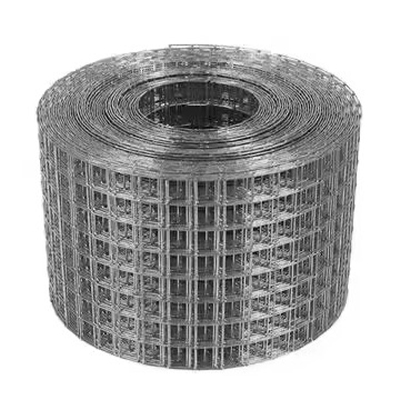
YZ offers roll lengths from 50 to 100 feet, providing flexibility for different project sizes. Longer rolls can reduce joints on large arrays, while shorter rolls may be easier for technicians to handle on restricted rooftops.
For bulk procurement, contractors should also consider whether the supplier can provide:
Consistent roll width and length across batches
Clips packed according to expected roll consumption
Multiple mesh widths within one order
Customized packaging or labeling
OEM and ODM support for distributor programs
These details become increasingly important for solar installers, maintenance companies and distributors purchasing material for recurring projects rather than individual installations.
Before placing a large solar panel bird guard order, confirm the actual module-to-roof clearance, required aperture, material or coating, clip compatibility, roll width and expected perimeter consumption.
For distributors, it can also be useful to carry several standard configurations rather than creating a different specification for every order.
YZ Wire Mesh supports customizable mesh specifications, clip options and OEM/ODM requirements, allowing contractors and distributors to build packages around their normal installation conditions.
When sourcing solar panel bird proofing mesh for repeated projects, consistency is often more valuable than chasing the lowest unit price. Reliable dimensions and compatible clips help crews complete installations faster and reduce variation between jobs.
Effective bird protection for solar panels depends on matching the mesh and fastening system to the actual installation environment.
For commercial installers, the most useful purchasing approach is to standardize common mesh openings and widths, select coating according to exposure conditions, use non-penetrating clips compatible with the module frame, and purchase roll and clip quantities based on array perimeter.
This creates a system that is easier to estimate, stock and install across multiple projects.
For bulk quantities, customized widths, clip configurations or OEM packaging, contact YZ Wire Mesh to discuss your project requirements.
Around 1/2-inch mesh is commonly used because it creates a small physical opening while remaining practical to install.
Properly sized wire mesh remains open enough for normal airflow around the array while blocking access beneath the panels.
Yes. Non-penetrating clip systems can attach mesh to compatible module frames without drilling holes.
Galvanized mesh suits many general applications, while stainless steel is better suited where higher corrosion resistance is required.
Calculate the exposed perimeter of the array and add an allowance for corners, overlaps, trimming and installation waste.