 EN
EN
What are you looking for?
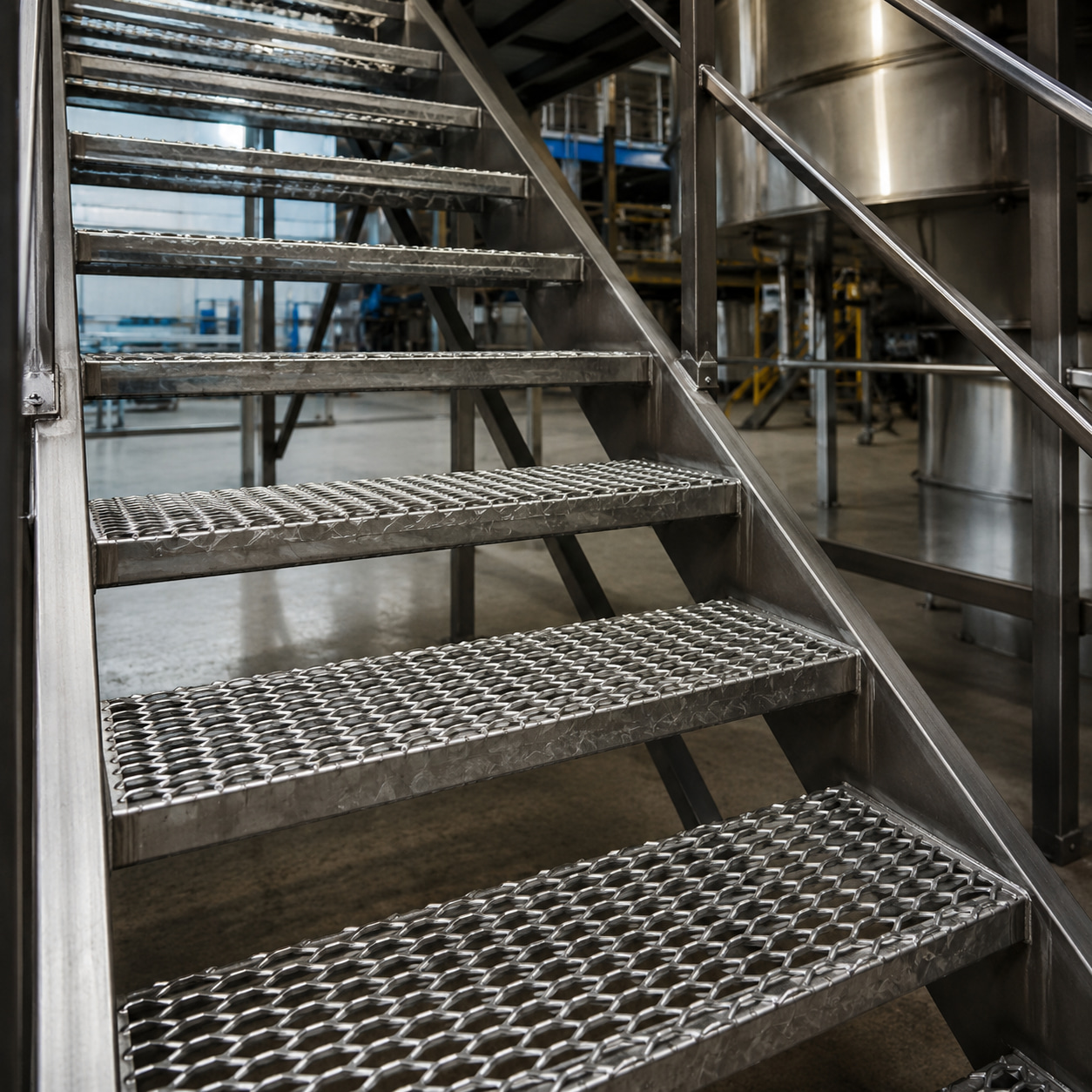
An expanded metal stair tread should not be selected by overall width and length alone. The sheet pattern, strand dimensions, orientation, material, surface, edge framing and support span all influence how the tread feels and performs. Two treads with the same outside dimensions can have very different rigidity, open area and slip resistance.
For industrial stairs, platforms, maintenance access and outdoor walkways, the specification should connect the expanded metal geometry with the structural frame. Buyers can review available expanded metal stair treads and then confirm project-specific loads and supports with the responsible engineer or fabricator.
Engineering confirmation required This guide explains purchasing parameters but does not replace structural design. Allowable load and span must be confirmed for the complete tread assembly, including expanded metal, carrier bars, end plates, welds, fasteners and supporting stringers. |
Parameter | Meaning | Why It Matters for a Stair Tread |
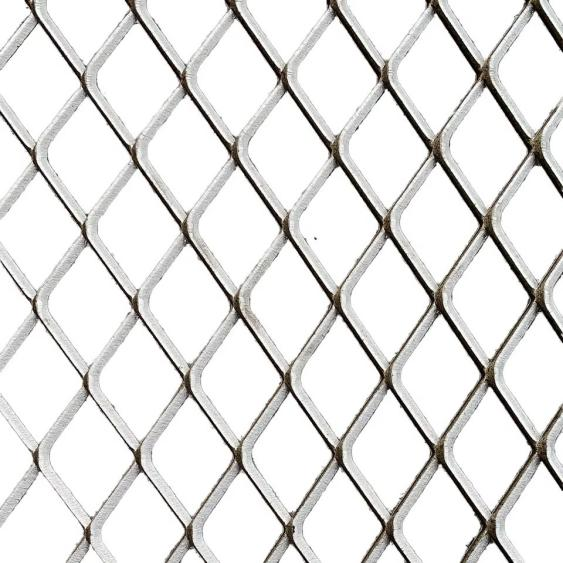
SWD | Short way of the diamond, measured in the direction of the smaller opening dimension. | Influences opening geometry, foot contact and pattern density. |
LWD | Long way of the diamond, measured in the direction of the longer opening dimension. | Affects orientation, stiffness and drainage path. |
Strand width | Width of the metal strand between adjacent openings. | Wider strands generally provide more bearing area and material. |
Thickness | Thickness of the original sheet or measured strand section, depending on specification method. | Influences weight, rigidity and fabrication behavior. |
Overall opening | The clear or center-to-center dimensions of the expanded diamond. | Affects heel safety, debris passage, visibility and open area. |
Raised or flattened | Raised mesh retains the expanded profile; flattened mesh is rolled flatter. | Raised mesh often offers more texture, while flattened mesh gives a smoother surface. |
Pattern orientation | Direction of LWD and SWD relative to the walking direction and supports. | Can influence stiffness, drainage and underfoot feel. |
Thickness is often the first value requested, but it should not be evaluated independently. A thicker sheet with a very open pattern may behave differently from a thinner sheet with wider strands and closer openings. The finished tread also gains stiffness from carrier bars, side plates, angle frames or formed edges.
When comparing quotations, confirm how thickness is defined and measured. Different suppliers may describe nominal sheet thickness, strand thickness or finished mesh thickness. A drawing that identifies the measurement avoids misunderstandings.
Strand width contributes to the amount of metal supporting the user’s foot. A wider strand can increase bearing area and stiffness, but it also changes weight, open area and material cost. The best balance depends on footwear, expected traffic, exposure to mud or debris, cleaning requirements and the required open area.
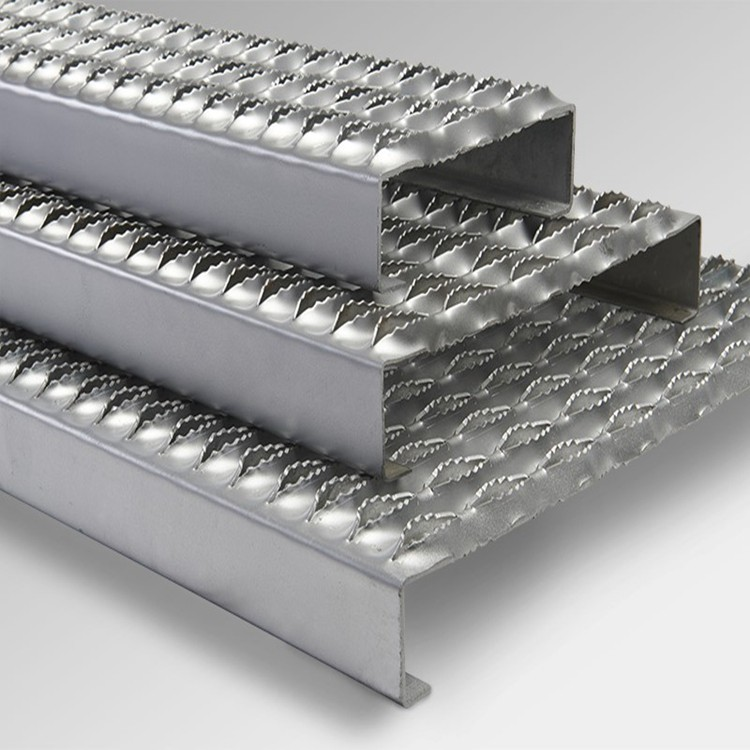
For walking surfaces, the top profile should provide stable contact without sharp projections. Where increased slip resistance is required, serrated or specially profiled surfaces may be selected, but they should still be reviewed for safe handling and the intended footwear.
Expanded metal is directional. The long way and short way of the diamond are not interchangeable in every design. Orientation affects how the mesh spans between supports, how water and debris pass through, and how the surface feels underfoot.
The quotation drawing should show the direction of LWD relative to the stair width and walking direction. If the tread is fabricated from a larger sheet, the nesting plan should not silently rotate the pattern to reduce scrap unless the designer has approved that orientation.
Raised expanded metal retains the three-dimensional profile created during expansion. This texture can improve traction and allows liquids and debris to pass through. Flattened expanded metal is processed to create a lower, smoother profile and may be preferred for guards or architectural applications, but it is not always the first choice for an industrial walking surface.
Serrated treads introduce additional edges intended to improve grip in wet, oily or dirty environments. The selected profile should match the risk assessment, cleaning method and footwear. Aggressive surfaces can improve traction but may be less suitable where kneeling, hand contact or lightweight footwear is expected.
The expanded sheet is only one component of the load path. Tread width, depth, support spacing, carrier-bar arrangement, end plates, weld length, fastener pattern and stringer connection all affect performance. Point loads may govern even when the average distributed load appears modest.
· Define the required concentrated and distributed loads.
· State the clear span and support arrangement.
· Confirm whether the tread is welded, bolted or clipped to the support.
· Identify impact, vibration or moving-equipment exposure.
· Require structural calculations or test evidence when the project demands it.
The wider family of expanded metal mesh options can help buyers compare raised, flattened and fabricated forms before finalizing a stair-tread design.
Option | Typical Reason for Selection | Purchasing Considerations |
Carbon steel | Strength, availability and economical fabrication. | Usually requires a suitable protective finish for the service environment. |
Hot-dip galvanized steel | Outdoor corrosion protection and robust industrial use. | Confirm venting/drainage for fabricated frames and coating repair requirements. |
Pre-galvanized steel | Uniform coated sheet and efficient production for selected environments. | Cut edges and weld areas may need additional treatment. |
Stainless steel | Corrosion resistance, hygiene or chemical exposure. | Confirm grade, surface condition and compatibility with the environment. |
Aluminum | Low weight and corrosion resistance in suitable applications. | Structural properties, wear and galvanic contact need design review. |
A practical tread often includes carrier bars or side plates that create a consistent bearing surface and provide connection points. The front edge may use a contrasting or serrated nosing to improve visibility and traction. End closures can reduce sharp exposed strands and improve handling.
· Overall tread width and depth, including frame.
· Nosing type, projection and finish.
· Carrier-bar or end-plate dimensions.
· Hole or slot pattern for bolted installation.
· Welding requirements and post-weld coating repair.
· Identification marks for stair-flight location.
The most efficient RFQ combines a drawing with a parameter schedule. Include:
1. Material grade and required finish.
2. Raised, flattened or serrated mesh type.
3. SWD, LWD, strand width and thickness.
4. Pattern orientation on the finished tread.
5. Overall tread width, depth and quantity.
6. Carrier bars, end plates, nosing and fixing holes.
7. Design loads, span, support and applicable standard.
8. Packing, marking, inspection and destination.
SWD is the short way of the diamond opening. It is one of the key dimensions used to define the expanded pattern and should be shown together with LWD, strand width and thickness.
LWD is the long way of the diamond. Its orientation relative to the tread and supports can influence stiffness, drainage and appearance.
Not by itself. Strength and stiffness also depend on strand width, opening size, pattern orientation, span, framing, material and connection details.
Raised mesh is commonly considered for industrial walking surfaces because of its texture and open area. The exact pattern and complete tread assembly still require project-specific review.
Serrated surfaces may be useful where water, oil, mud or debris increase slip risk. Selection should follow the project safety assessment and consider footwear and maintenance.
They can be designed for post-fabrication galvanizing, but the assembly must allow coating access and drainage. Welding, distortion, venting and coating repair should be planned in advance.
A clear specification connects the expanded metal pattern to the frame, supports and loads. This prevents suppliers from making different assumptions and makes technical comparison more meaningful. For pricing and manufacturability review, send drawings, quantities and loading requirements with the required material and finish.