 EN
EN
What are you looking for?
Choosing the right temporary fence is critical for construction safety, site control, and project efficiency. Learn how to avoid common buying mistakes, compare temporary fence systems, and find the right manufacturer for your project.
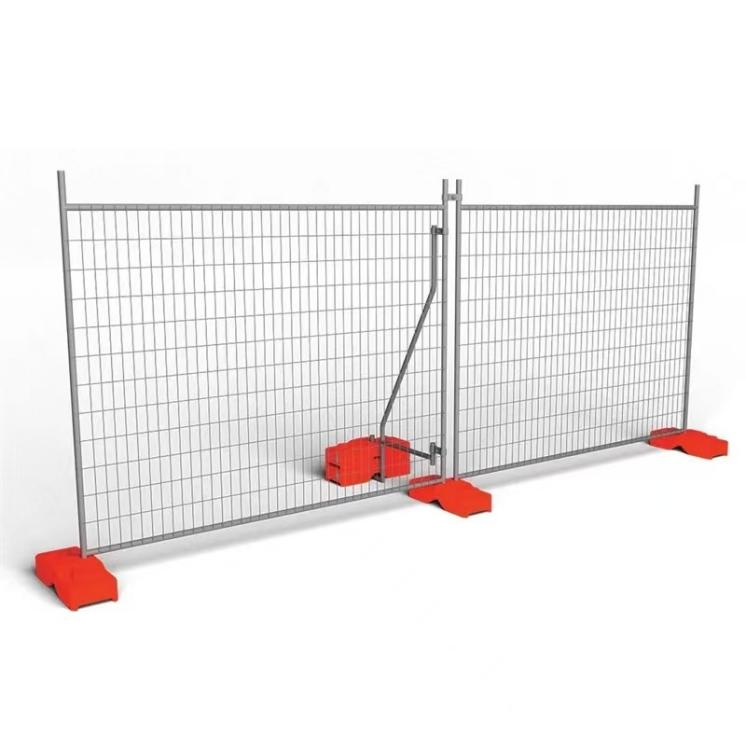
When many buyers source temporary fence panels, they focus first on price.
But in actual projects, the biggest losses usually do not come from the unit price of the fence. They come from unstable panels, damaged finishes, missing accessories, delayed delivery, and systems that do not match local market requirements.
At YangZheMetal, we have seen the same problems repeatedly:
panels bending during transport, bases that are too light for site conditions, clamps that do not fit properly, and buyers forced to reorder because the first specification was wrong.
If you are buying temporary fence for construction, roadwork, events, or perimeter control, the right system should not only be economical. It should also be stable, reusable, easy to install, and suitable for your market.
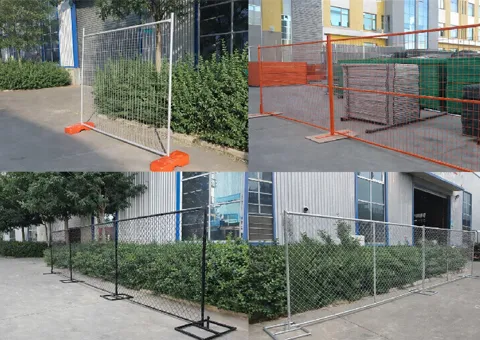
For buyers comparing different options, it is useful to first review the full range of temporary fence systems before choosing a specific model.
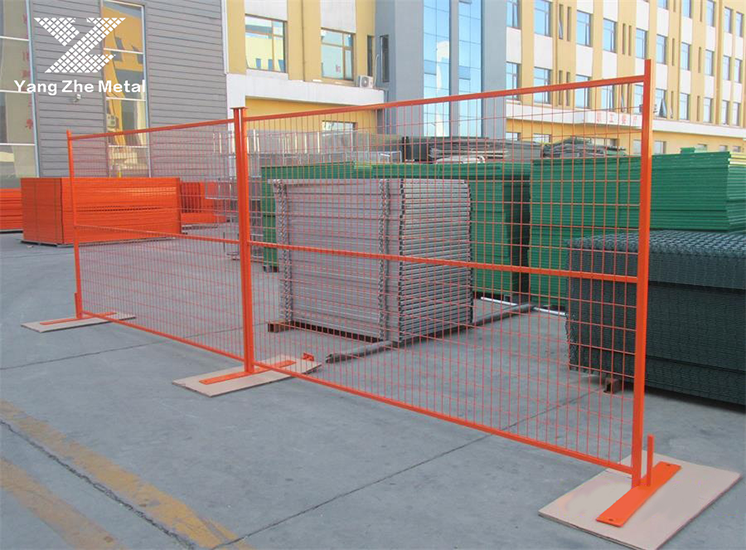
Temporary fencing is often treated as a short-term product, but project risks can increase quickly when the wrong system is selected. Choosing a reliable wire mesh fencing factory can help mitigate these risks.
Common buyer problems include:
fence panels falling in windy conditions
frames deforming during shipping or repeated use
bases and clamps not matching the panel system
corrosion appearing too early in outdoor use
products not matching regional project expectations
These issues directly affect:
site safety
installation speed
reusability
replacement cost
contractor credibility
This is why experienced buyers no longer ask only, "What is your lowest price?" They ask, "Which temporary fence system is right for my application?"
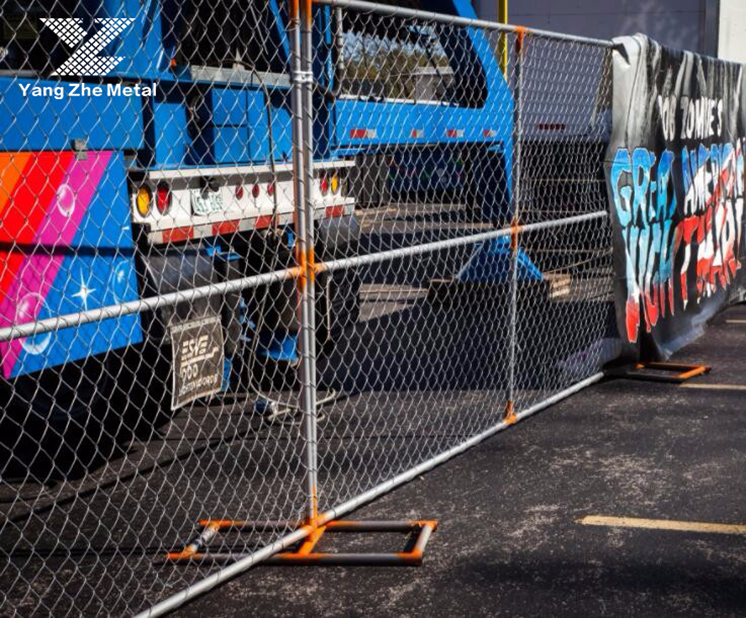
Before placing an order, buyers should confirm more than just panel size. It is also important to ensure that the fence mesh for sale meets performance and compatibility requirements.
Panel strength and frame thickness
A low-priced temporary fence may look similar in photos, but the actual performance depends on wire diameter, frame tube thickness, and welding quality. If the frame is too light, the fence may become unstable during repeated movement or in outdoor wind conditions.
Surface treatment
For outdoor temporary fencing, corrosion resistance matters. Galvanized temporary fence systems are generally preferred because they provide better durability for construction sites, storage yards, and long project cycles.
Base type and accessory compatibility
A temporary fence system is not only the panel. It also includes bases, clamps, stays, and sometimes gates. If these accessories are not matched correctly, installation becomes slow and site stability becomes unreliable.
Market-specific design
Not every temporary fencing system is suitable for every country. Different regions commonly prefer different specifications, dimensions, and support structures.