 EN
EN
What are you looking for?
For many homeowners, the sight of solar panels on the roof is a symbol of clean energy and savings. Yet, this modern setup can inadvertently create an ideal real estate opportunity for birds, leading to a host of problems. Understanding why birds are drawn to your panels and how to humanely and effectively deter them is crucial for protecting your investment and your home.
This comprehensive guide explores the reasons behind this common issue and outlines practical, long-term solutions, such as professional-grade barriers available from a reputable wire mesh fencing factory, to keep both your solar panels and local wildlife safe.
Birds don't choose their nesting sites at random; they follow deep-seated instincts for safety and survival. Unfortunately, the space beneath rooftop solar panels ticks every box on their checklist for a perfect home.
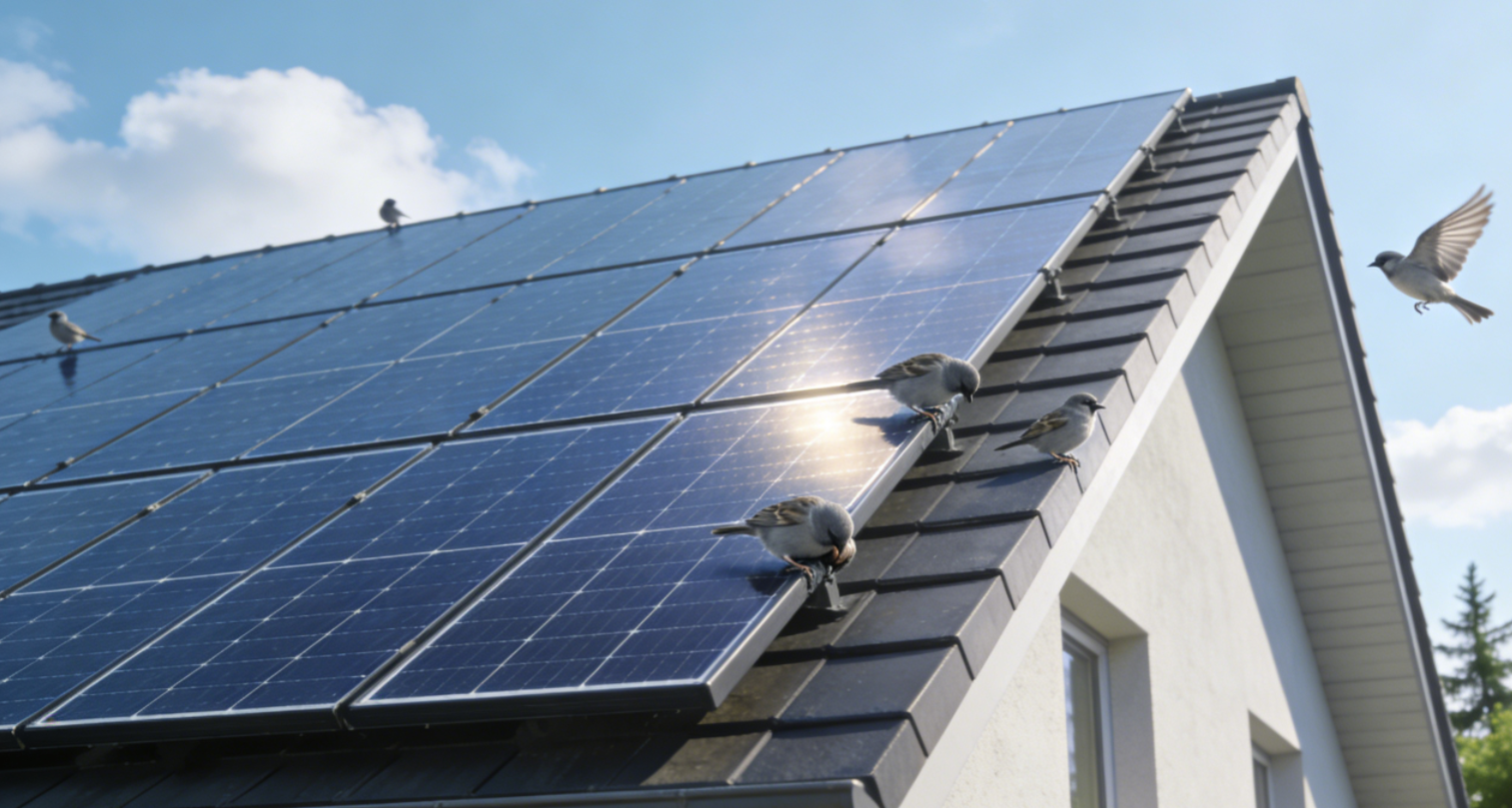
A High, Safe Vantage Point: Elevation is key for birds. A high place offers a wide field of view to spot predators like cats or hawks, making them feel secure. Your roof, especially with the added structure of panels, provides this in abundance.
Shelter from the Elements: The gap between the panel and the roof creates a ready-made shelter. It protects nests from wind, rain, and harsh sun, functioning as a perfect, insulated roof for a nest.
A Secluded and Hidden Space: From a bird's perspective, the narrow gap under a panel is a defensible, concealed location. It's difficult for larger predators to access, keeping eggs and chicks safe.
Pigeons and sparrows are particularly common culprits. Once a bird colony discovers this ideal habitat, the problem can multiply quickly, as they are known to return to successful sites and even "notify" others.
Allowing birds to nest under your panels is far more than a minor nuisance. It can lead to significant damage, health risks, and financial loss.
Plummeting Efficiency and Damage: Bird droppings are highly corrosive and can permanently etch the glass surface of your panels. More immediately, they block sunlight, significantly reducing energy output. Studies suggest soiling can reduce efficiency by up to 20%. Furthermore, birds may peck at and damage wiring, leading to costly repairs.
Serious Health and Safety Hazards: Accumulated droppings and nesting materials pose health risks. Pigeon droppings, for instance, can harbor fungi like Cryptococcus, which can cause serious respiratory infections, especially in immunocompromised individuals. Nests can also host mites, ticks, and other pests.
Structural and Legal Issues: Debris from nests can clog gutters and downspouts, leading to water damage and roof leaks. It's also critical to know that in many regions, it is illegal to disturb or remove an active nest containing eggs or chicks. Prevention is always better—and more legal—than cure.
Choosing the right deterrent depends on your specific situation, budget, and the severity of the problem. Below is a comparison of the most effective and common solutions available.
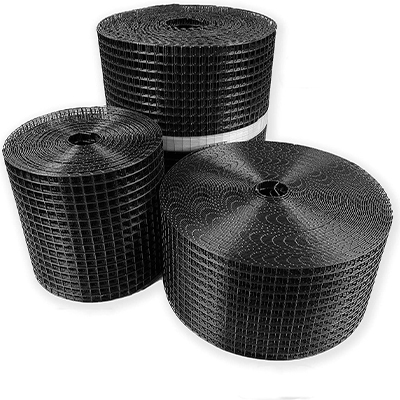
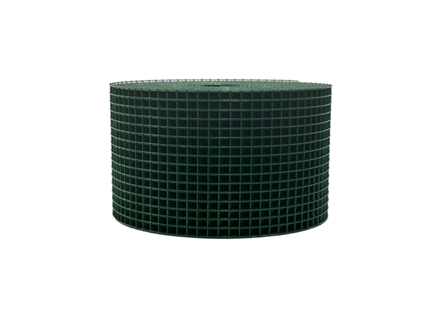
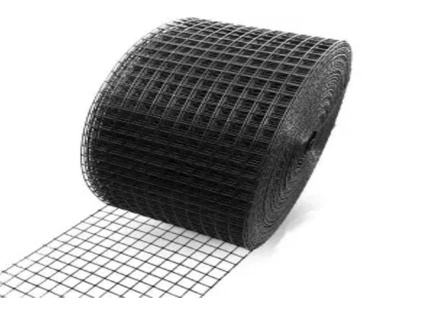
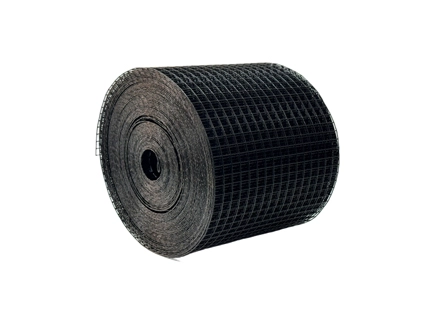
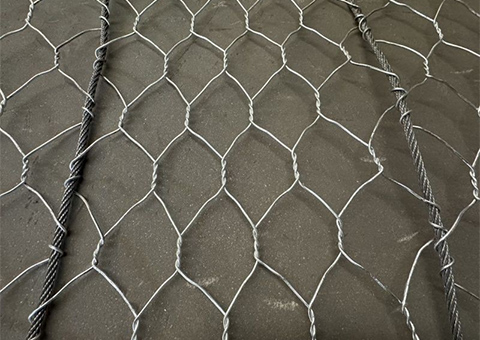
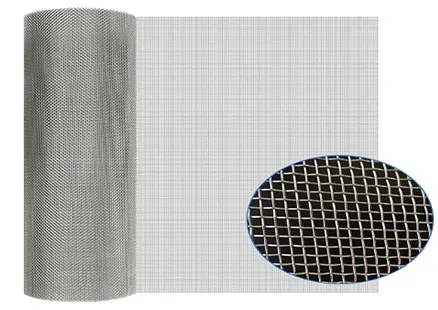
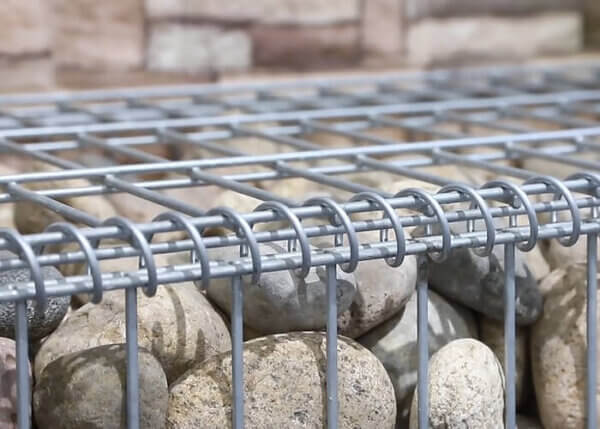
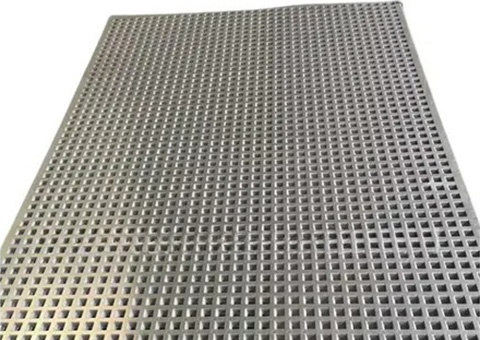
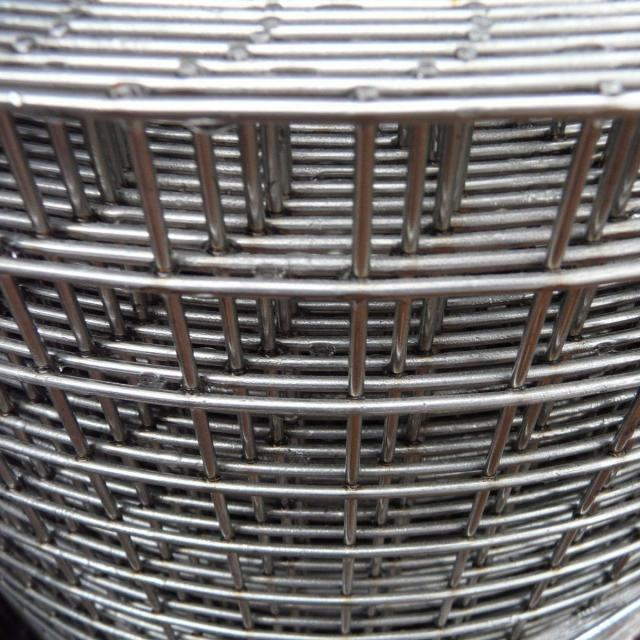
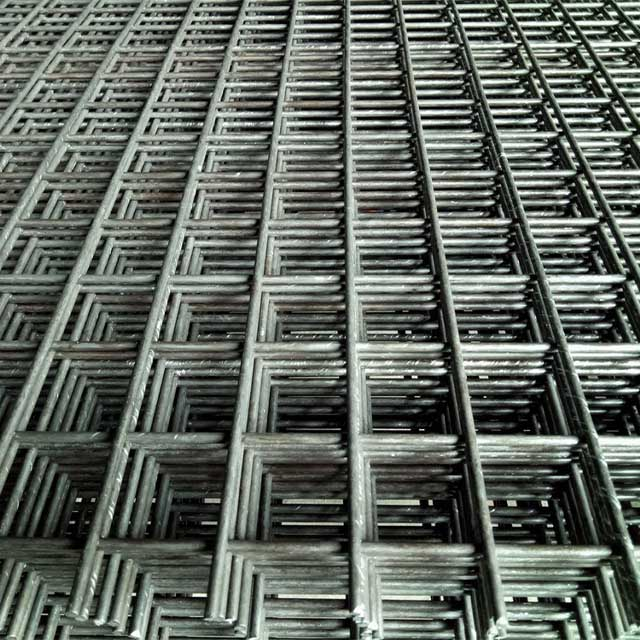
Expert Recommendation: For most residential solar arrays, installing a high-quality, PVC-coated wire mesh for solar panels is the most reliable and permanent solution. It addresses the root cause by completely blocking access to the appealing space. When installing new panels, inquire with your provider about incorporating bird prevention measures from the start—it is often the most cost-effective approach.
If birds have already caused a mess, safe cleanup and restoration are essential.
Assess and Wait Legally: Never attempt to remove a nest with eggs or chicks. You must wait until the nesting cycle is complete.
Schedule a Professional Clean: For safety and thoroughness, hire a solar panel cleaning service. They have the equipment and expertise to safely remove hazardous debris, disinfect the area, and clean your panels without causing damage. This is crucial, as improper cleaning can scratch panels or create electrical hazards.
Implement Prevention Immediately: After cleanup, immediately install your chosen prevention method. Birds have strong homing instincts and will likely try to return to the same spot.
By understanding the "why" and implementing the "how," you can ensure your solar panels remain a source of clean energy, not a haven for pests. Proactive protection saves money, preserves your system's efficiency, and contributes to a healthier home environment.