 EN
EN
What are you looking for?
Solar panels are an excellent investment for both the environment and your wallet. However, like any investment, they do come with their own set of challenges. One of the most commonly overlooked issues is birds. Not only can birds nest under your panels and cause significant damage, but their droppings can also impact the efficiency of your system. The good news is that bird mesh can protect your solar panels from these feathery invaders. This article will walk you through why birds love solar panels, debunk some common myths about bird mesh, highlight the best materials for your mesh, and provide a step-by-step guide for installation.
Birds are naturally attracted to the shelter and warmth that solar panels provide. The underside of the panels offers a secluded and safe place for birds to nest, particularly pigeons. This might seem harmless, but it can lead to several issues. Bird droppings can significantly reduce the efficiency of your solar panels by creating a layer of grime. Unfortunately, the resulting inefficiency could reduce your solar power output considerably. Moreover, nests and droppings can cause damage to the wiring, leading to costly repairs — which is why many homeowners turn to solutions recommended by a wire mesh fencing factory to prevent birds from accessing these areas.
Installing a bird mesh around your solar panels can save you from these woes. Bird meshes are designed to keep birds from nesting under the panels and thus protect your investment in the long term.
One of the most prevalent myths about bird mesh is that it will affect the efficiency of your solar panels. People often worry that the mesh will cast shadows over the panels, thereby reducing their effectiveness. In reality, bird meshes are specifically designed to be unobtrusive. When installed correctly, they won't interfere with the amount of sunlight reaching your panels.
Another misconception is that bird mesh will cause overheating by limiting ventilation. However, bird mesh allows for adequate air circulation, ensuring your panels remain cool and efficient. Many homeowners even source their materials from wire mesh wholesale suppliers to ensure consistent quality and durability. So rest assured, implementing bird mesh in your solar setup is a smart move that won't compromise on performance.
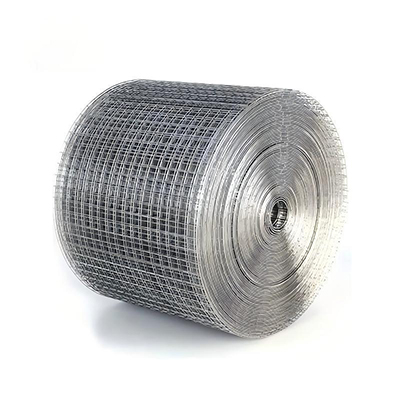
Choosing the right material for your bird mesh can enhance its durability and effectiveness. Here are the top five materials you should consider:
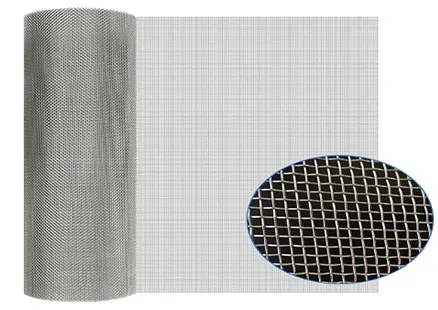
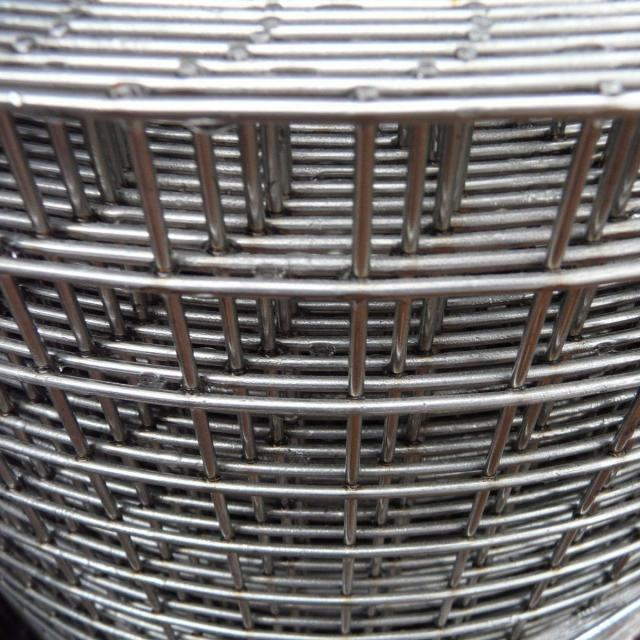
1. Stainless Steel: Known for its strength and resistance to rust, stainless steel is one of the most durable options for bird mesh. It can withstand harsh weather conditions and lasts for many years.
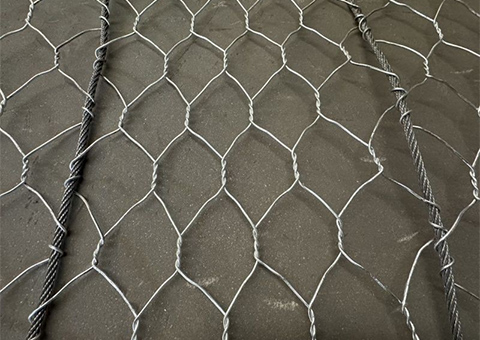
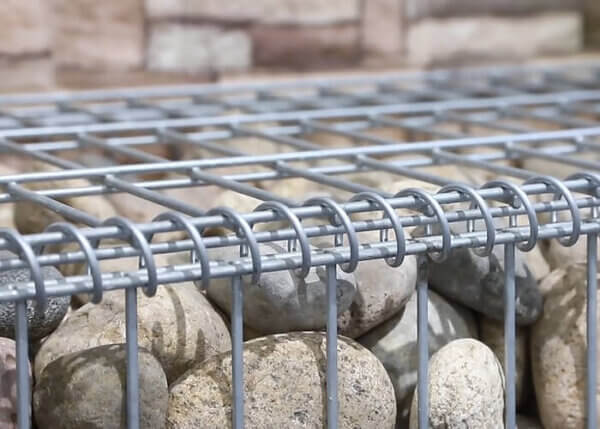
2. Galvanized Steel: Although not as resistant to rust as stainless steel, galvanized steel is still a sturdy option. It’s often coated to resist weathering, making it another long-lasting choice.
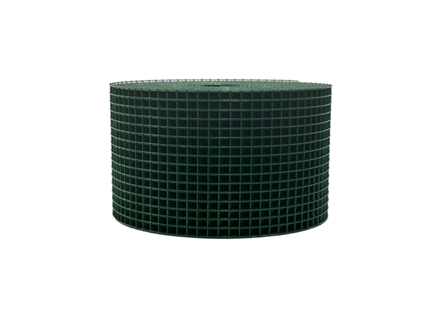
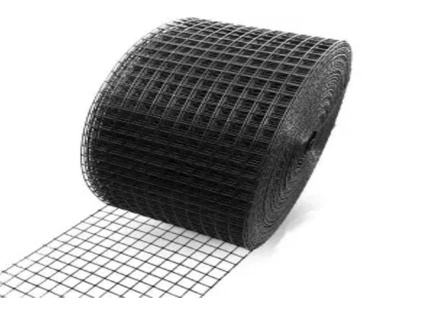
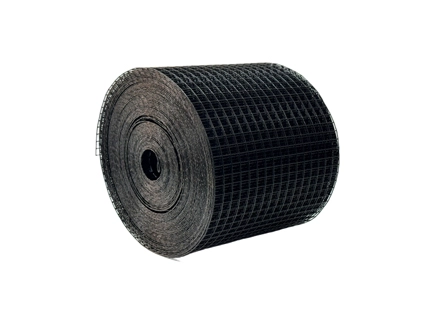
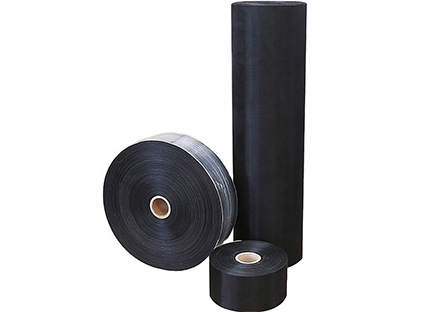
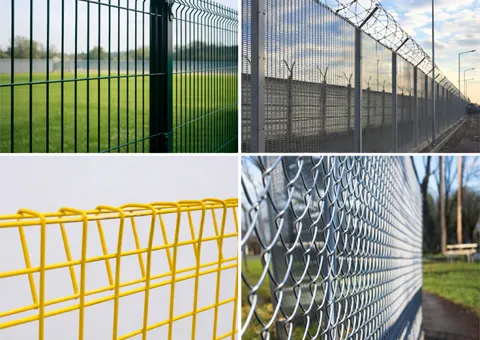
3. PVC Coated Wire Mesh: This type of mesh combines the sturdiness of wire mesh with the longevity of PVC coating. The coating adds an extra layer of protection against corrosion and wear and tear.
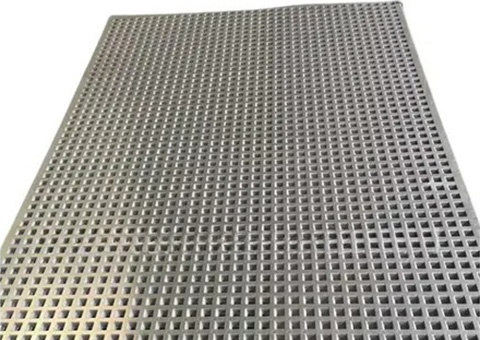
4. Aluminum Mesh: Lightweight and corrosion-resistant, aluminum is another excellent option. However, it may not be as strong as stainless steel or galvanized steel.
5. Plastic Mesh: While not as durable as metal options, plastic mesh is easier to handle and install. It’s also resistant to rust and corrosion but may need more frequent replacement.
Ultimately, the best choice for your wire mesh for solar panels depends on your specific needs and environmental conditions.
Materials Needed:
- Bird mesh (stainless steel, galvanized, PVC coated, aluminum, or plastic)
- Wire cutters
- Metal clips or self-locking clips
- Safety gloves
- Ladder
- Measuring tape
Step 1: Measure and Cut the Mesh
Start by measuring the perimeter of your solar panels. Cut the bird mesh to fit around all sides of the panels, ensuring you leave a little extra room to accommodate any variations.
Step 2: Secure the Clips
Attach metal clips or self-locking clips to the sides of the solar panels at regular intervals. The clips should be placed about 6-8 inches apart to secure the mesh adequately.
Step 3: Attach the Mesh
Once the clips are in place, start attaching the bird mesh to the clips. Make sure it fits snugly around the panels, without leaving any gaps that birds can squeeze through. Use wire cutters to trim any excess mesh.
Step 4: Check and Test
After installation, perform a thorough inspection to ensure that there are no gaps or loose sections. It’s also a good idea to check the mesh periodically to ensure it remains secure and intact.
Step 5: Periodic Maintenance
While bird mesh requires little maintenance, it's crucial to periodically check the mesh for any signs of wear and tear. Replace damaged sections promptly to ensure continued protection.
Installing a bird mesh around your solar panels is a proactive step to safeguard your investment. By understanding why birds are attracted to your panels, debunking myths, selecting the most durable materials, and following the proper installation steps, you can ensure that your solar panels remain efficient and damage-free for years to come.
Installing bird mesh around solar panels prevents bird nesting, debris buildup, and damage caused by droppings or chewed cables. Proper installation improves system efficiency, reduces fire risks, and lowers long-term maintenance costs.
Bird mesh installation involves measuring the perimeter of the solar panels, cutting the mesh to size, and securely fastening it to the panel frame using solar panel clips or stainless steel fasteners—without drilling or damaging the panels.
Yes. High-quality bird mesh solar panels systems are designed to be installed without drilling. Special solar panel mesh clips allow secure attachment to the panel frame while preserving panel warranties.
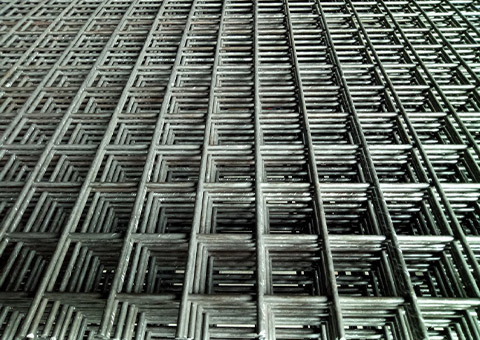
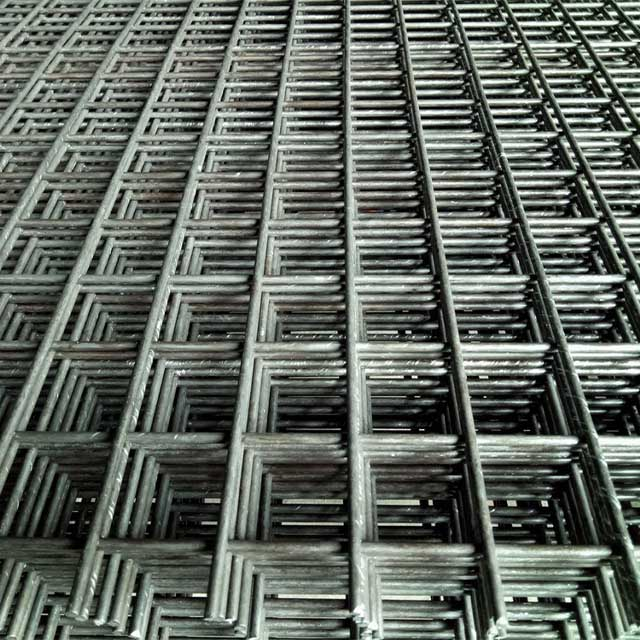
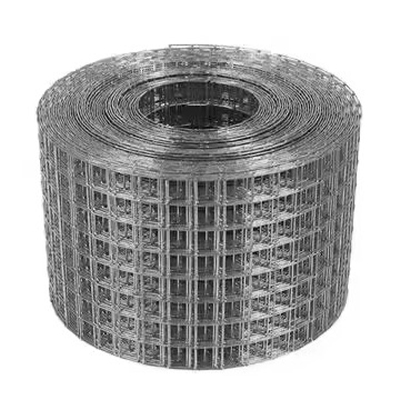
Galvanized welded wire mesh or PVC-coated stainless steel mesh is ideal for solar panel bird protection. These materials are corrosion-resistant, durable, and suitable for long-term outdoor use.
No. Properly installed bird mesh does not block sunlight or airflow. Instead, it helps maintain optimal airflow by preventing debris and nests from accumulating beneath the panels.