 EN
EN
What are you looking for?
For importers, the right mesh specification starts with the application rather than the product format. Panels are generally preferred when dimensional stability, flatness, and repeatable installation matter, while rolls are more practical for continuous coverage, field cutting, and applications that need some flexibility.
After deciding the format, three specifications have the greatest influence on performance and purchasing cost: wire diameter, mesh opening, and surface finish. These parameters should be confirmed together. Choosing a heavier wire without considering the opening, or selecting a coating without considering the installation environment, can increase cost without solving the actual requirement.
Not automatically. Product format and mechanical specification should be evaluated separately.
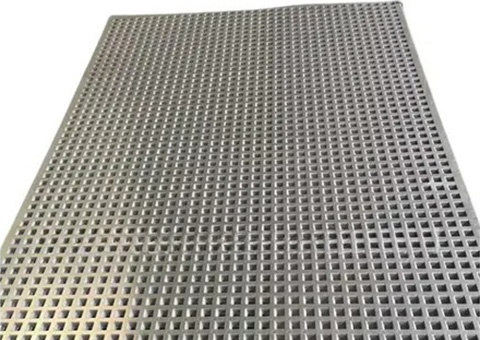
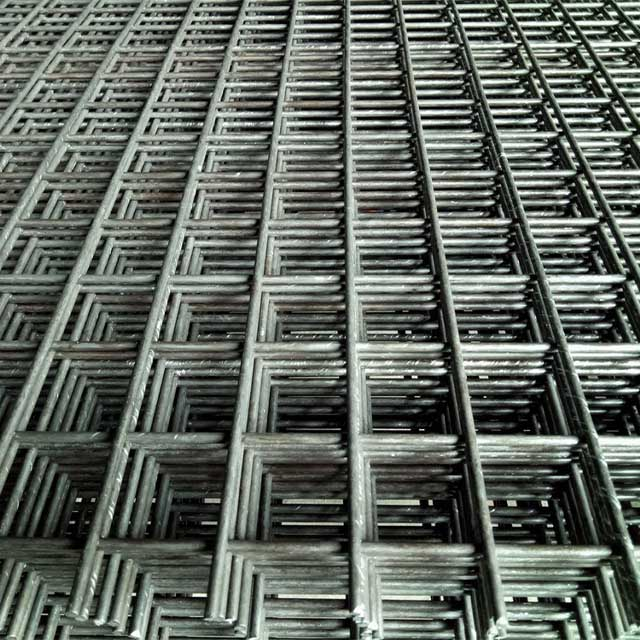
Welded wire mesh panels are typically selected for machine guards, partitions, cages, fencing sections, and other applications where the mesh needs to remain flat and maintain a defined shape. Because they arrive as individual sheets, panels are also easier to position accurately inside frames or fabricated structures.
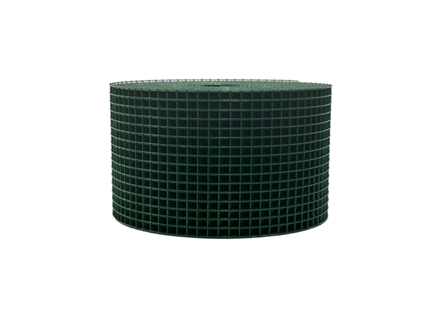
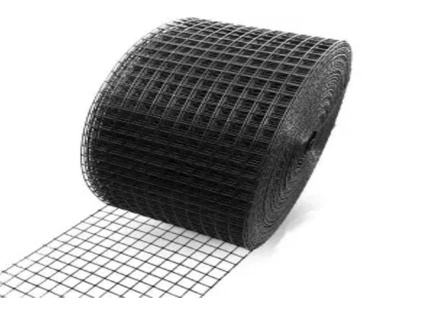
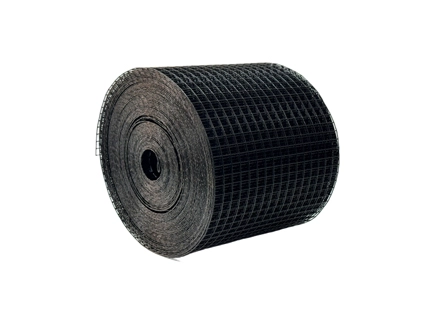
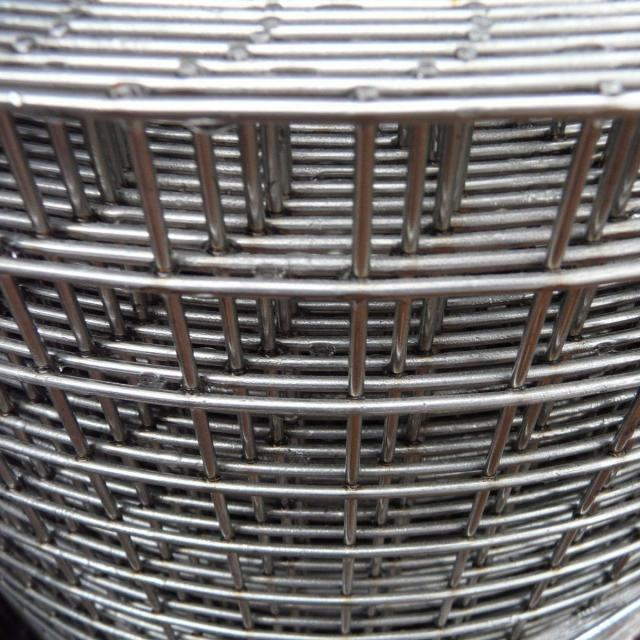
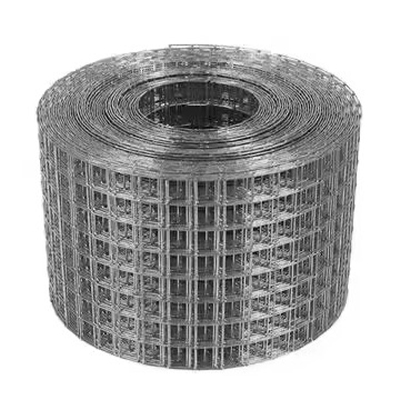
Welded wire mesh rolls are better suited to long fence lines, agricultural enclosures, protective barriers, and projects where installers need to cut material to different lengths on site. Their continuous format can reduce the number of joints across a long installation.
For an importer, the practical comparison is:
| Requirement | Panels | Rolls |
|---|---|---|
| Flatness and dimensional stability | Better | Moderate |
| Continuous long-distance installation | Less convenient | Better |
| On-site cutting to variable lengths | Possible | Very convenient |
| Framed guards and partitions | Better | Requires more preparation |
| Curved or irregular installation | Limited | Better |
| Repeated standard-size units | Better | Requires cutting |
The important point is that a roll should not automatically be considered “light duty,” nor a panel automatically “heavy duty.” Wire diameter, opening size, steel grade, and weld quality still determine the actual performance.
Wire diameter should be chosen according to load, impact risk, required rigidity, and the way the mesh will be supported.
A thicker wire generally gives the finished mesh greater stiffness and resistance to deformation. This is useful for industrial guards, security barriers, heavy cages, and other installations where the mesh may experience repeated physical contact.
Lighter wire can be more economical when the mesh mainly acts as a divider, enclosure, or light protective barrier.
Importers should also be careful when comparing quotations expressed only in “gauge.” Gauge systems are not always interpreted consistently between markets. Asking suppliers to state the actual wire diameter in millimeters makes quotations easier to compare. Search guidance on wire mesh specifications similarly recommends confirming diameter rather than relying only on gauge terminology.
For coated products, clarify whether the stated diameter refers to:
bare steel wire before coating;
galvanized wire diameter; or
finished diameter including PVC or another coating.
That distinction can materially change the amount of steel contained in the product.
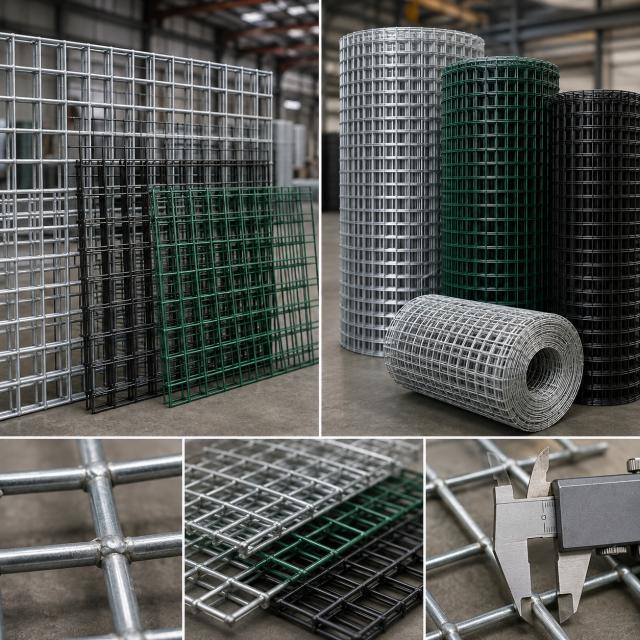
Mesh opening should be determined by what the mesh must contain, exclude, support, or protect.
Smaller openings provide a tighter barrier and more wire intersections per unit area. They are commonly considered where access prevention, smaller animals or objects, or closer support is required. Larger openings reduce material usage and weight and may be sufficient when the main purpose is general separation or perimeter protection.
The opening also needs to be considered together with wire diameter.
For example, increasing the wire diameter while keeping the same opening usually produces a heavier, more rigid product. Reducing the opening while keeping the same wire diameter also increases the amount of steel per square meter.
This is why two products described simply as “50 mm mesh” can have very different weights, prices, and performance.
Specify exactly how the dimension is measured.
“Mesh size” can refer to the clear opening between adjacent wires or, in some specifications, the center-to-center spacing of the wires. These are not identical measurements.
For international orders, a dimensioned drawing is often more reliable than terminology alone. It prevents misunderstandings before mass production begins.
No. Smaller openings can make the grid more resistant to local deformation, but overall performance still depends on wire diameter, weld integrity, material, and supporting structure.
A fine opening made from very light wire may not provide the rigidity required for a machine guard. Conversely, an unnecessarily heavy wire combined with a very small opening can increase weight and shipping cost without providing a meaningful advantage.
A better specification starts with the required function and then balances opening size with wire diameter.
The correct finish depends mainly on exposure conditions and the expected service environment.
Galvanized steel is widely used for outdoor fencing, agriculture, and general industrial applications because the zinc layer protects the underlying steel against corrosion.
For buyers comparing galvanized products, it is worth asking whether galvanizing is performed before or after welding. When galvanizing is applied after welding, the coating can also cover the welded areas created during mesh production.
PVC-coated mesh adds an additional outer layer and is often selected when buyers want both corrosion protection and a particular appearance. It is common in fencing and outdoor enclosure applications.
Stainless steel may be a more appropriate specification when the mesh will face demanding moisture, hygiene, or chemical conditions. The WireMeshProvider range, for example, includes galvanized steel and multiple stainless-steel options for different service environments.
Instead of requesting simply “anti-rust mesh,” an importer should specify the required material and coating system clearly.
Comparing only the price per roll or panel can be misleading.
A professional welded wire mesh manufacturer should be able to quote against a clearly defined specification including:
Wire diameter × mesh opening × width × length × material × finish × quantity
Importers should also confirm whether dimensions are nominal or finished dimensions and whether coating is included in the stated wire diameter.
For larger orders, ask for a sample or pre-production confirmation when specifications are unusual. Check opening consistency, weld appearance, dimensions, coating condition, and packaging before approving the shipment.
This process is particularly important when quotations appear unusually different in price. The lowest-priced offer may simply contain less steel because of a smaller actual wire diameter, wider opening, or different coating specification.
The lowest unit price is not necessarily the lowest installed cost.
Panels can reduce fabrication and installation work when every section must have the same dimensions. A contractor can position a prepared panel directly into a frame instead of unrolling, flattening, measuring, and cutting material repeatedly.
Rolls can be more efficient for long continuous installations because the installer can cut sections according to actual site dimensions. They can also simplify inventory when one roll size is used for several different cut lengths.
For importers supplying distributors, the decision may also depend on local customer behavior. Standard rolls are convenient for resale by length or general-purpose use, while standard panels are easier to sell into defined fencing, fabrication, and industrial applications.
Panels and rolls solve different purchasing and installation problems, but format should never be selected in isolation.
Choose panels when flatness, fixed dimensions, and easy integration into frames are priorities. Choose rolls when continuous coverage, flexible cutting, and easier adaptation to site dimensions are more important.
Then verify wire diameter, opening, and finish as one complete specification. This approach makes supplier quotations easier to compare, reduces specification disputes, and helps prevent overpaying for unnecessary material—or receiving a product that is too light for the application.
For project-specific sourcing, working with a supplier that can manufacture both formats also gives buyers more flexibility to optimize the specification around installation requirements rather than forcing the project to fit one standard product.
Panels are supplied as flat, fixed-size sheets and are better for rigid installations. Rolls provide continuous lengths that are easier to cut and adapt on site.
Choose according to required rigidity, load, and impact resistance. For international purchasing, specify the diameter in millimeters rather than relying only on gauge numbers.
Yes. Galvanizing provides corrosion protection for many outdoor applications. The required zinc coating and galvanizing process should match the exposure conditions.
Yes. Many industrial orders use customized combinations of wire diameter, opening, dimensions, and surface finish based on the final application.